Blog

  • Google In The “Micro” Moment

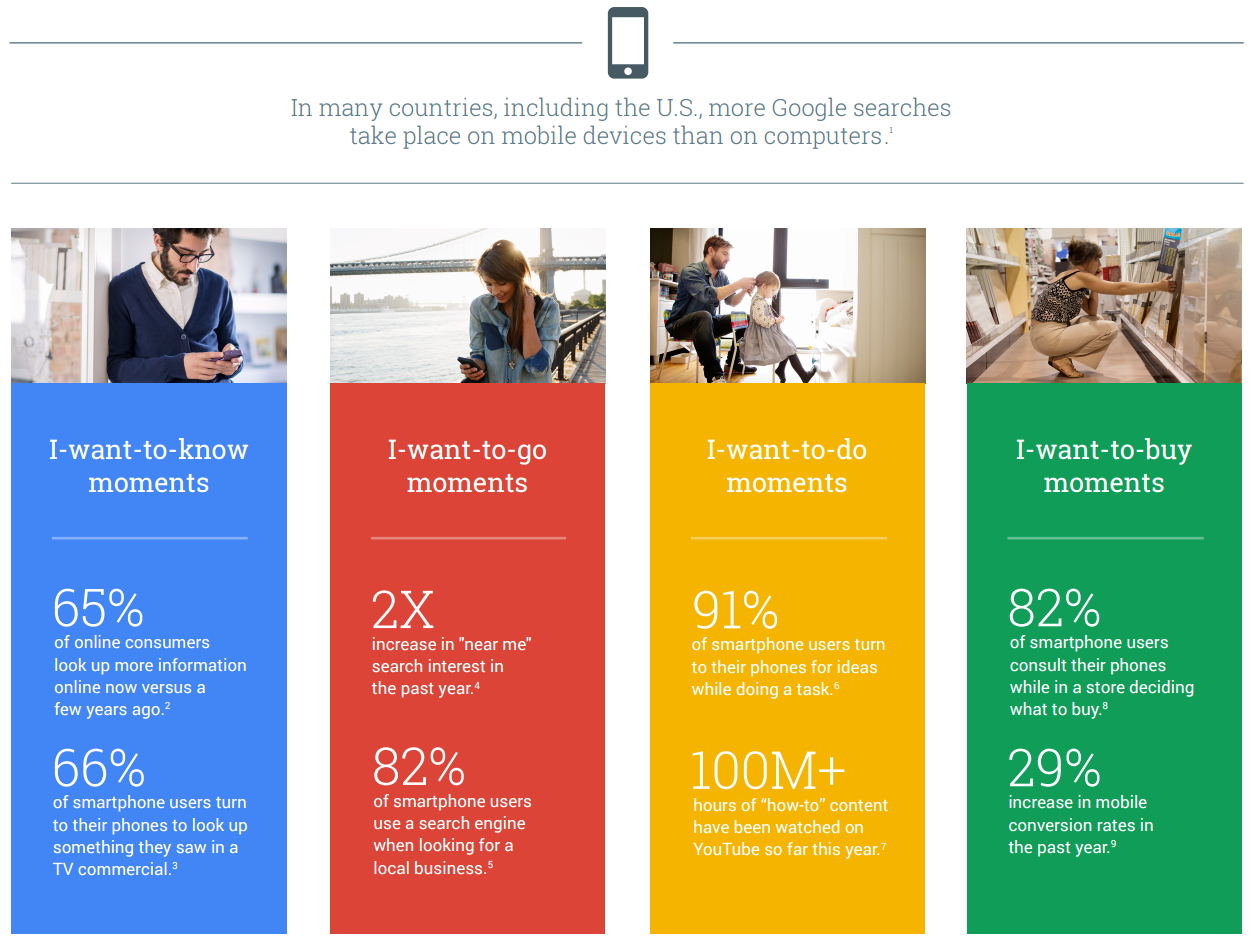
    Mobile has changed consumer behavior forever more. It’s now the primary channel used by people to interact with media. What were once predictable, daily online sessions seated before desktop or laptop PCs have been superseded by frequent, unpredictable, instantaneous, on the run, need-based interactions with smartphones – palm up, face down. “We’ve hit an inflection point,” says Jerry Dischler, Vice President of Product Management for AdWords, “where more Google searches are taking place in mobile than desktop in 10 countries, including US and Japan. We think it’s a real turning point in digital adverting and we have been investing in mobile-focused initiatives,”.

    What were once conventional “moments of truth” in a consumer journey have since fragmented into hundreds of micro-moments, those intent-driven moments of decision-making and preference-shaping, where today’s battle is waged for a share of the hearts, minds, and wallets of consumers.
    google micro moments

    It’s a micro-moments when you turn to your smartphone to fulfill a need or answer an “I want…” question, such as:

    I want to learn…

    I want to buy…

    I want to know…

    I want to go…

    I want to do…

    I want to make…

    Recent Google research shows how micro-moments have changed the Rules of the Game:

    • Of leisure travelers using smartphone, 69% search for travel ideas during spare moments, like standing in line or waiting for the subway. Nearly half go on to book their choices through an entirely separate channel.
    • Of smartphone users, 91% look up information on their smartphones in the middle of a task.
    • Of smartphone users, 82% consult their phones while they’re in a store deciding which product to buy. One in 10 of those consumers ends up buying a different product than planned.
    • Of online consumers, 69% agree that the quality, timing, or relevance of a company’s message influences their perception of a brand. (This is a critical finding.)

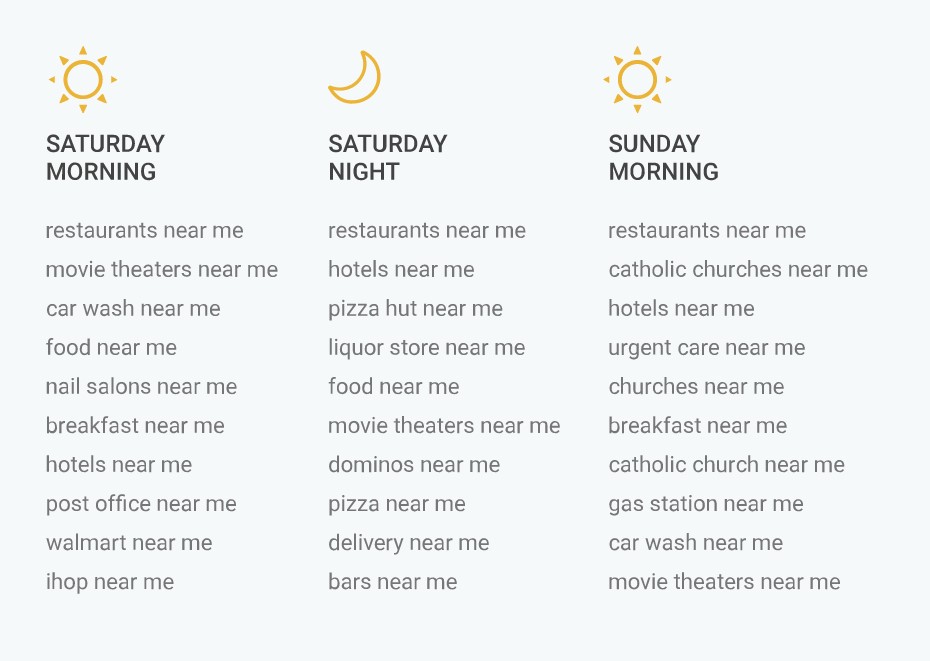
    FACT: “Near me” searches are sky-rocketing: Google search interest in “near me” has increased 34X since 2011* and nearly doubled since last year. The vast majority come from mobile—80% in Q4 2014. **

    Source: *Google Trends, Data pulled March 30, 2015. **Google Data, Q4 2014
    google data

    Image Source

    The Multi-Billion Dollar Question

    How to capitalize on these micro-moments?

    Identify your target audiences’ micro-moments: Engage with your consumers at points of sale, forums, social media, through surveys and focus groups to understand when and how they research and make purchase decisions. Understand the why, the where and the how of a consumer’s search for information. And don’t overlook the why not.

    Deliver the right product or service at the right moment: Research and identify unique patterns of intent. Use search insights to uncover new trends. Then, incorporate search, social, video and display in your marketing strategy to reach consumers at home, in stores, in offices and anywhere in between – any time of day — based on your research.

    Deliver context appropriate messaging: This cannot be overstated. Create ads and content that provide custom solutions and answers for the questions people ask. Personalized ads have 10x higher CTR compared to traditional display ads. No one wants to look at or hear conventional, generic advertising on their smartphones. Or, put another way, don’t make smartphones dumb.

    Make purchasing easy: Make seamless the transition from research to purchase. Give the consumer multiple ways to buy. Examples: Facebook CTA buttons on ads, Twitter or Pinterest buy buttons or link to a local store “Near You”.

    Measure every moment that matters: It’s no longer enough to simply measure the online conversion. With the mobile fragmented path to purchase advertisers need to measure results online, across devices, in apps, and even in stores. Audit your current efforts then test and iterate using new approaches, KPIs and methodologies.

  • SMX Advanced 2015

    We attended SMX Advanced. We learned a lot. We met lots of interesting people.  And we had a whole lot of fun.

    Here are some of the “latest and greatest” highlights from this year’s edition of SMX Advanced

    • Google Webmaster Trends Analyst Gary Illyes announced at SMX Advanced that the next Panda update will roll out in the upcoming weeks. Illyes characterized this change as a data refresh, not an algorithm update.
    • Tips and Tricks to Survive Mobilegeddon was fascinating. This session broke down Google’s mobile friendly algorithm upgrade and shed light on what you need to pay attention to in order to drive maximum mobile traffic from Google.
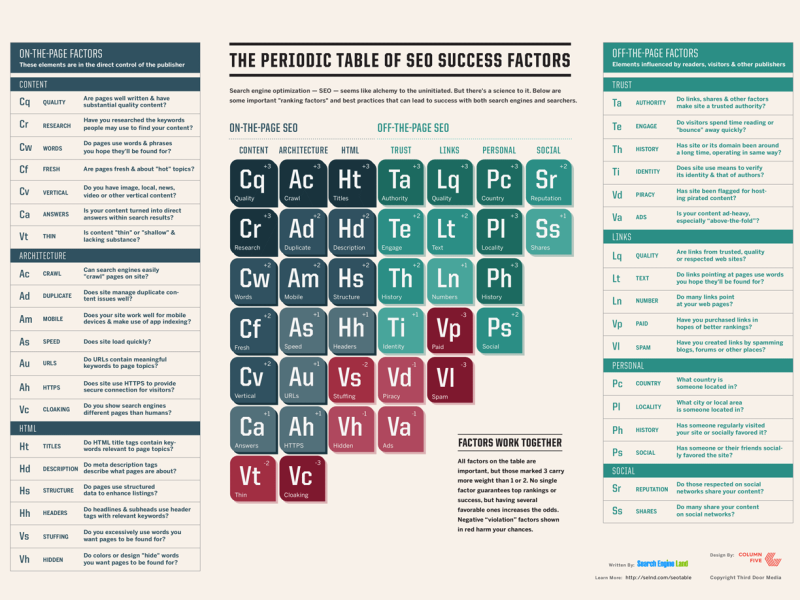
    • The Periodic Table of SEO Ranking Factors summarizes the major factors to focus on for search engine ranking success. It’s a cool, innovative way of explaining SEO factors and educating marketers re which type of content creates the right “signals” to be better ranked by search engines.

    seo-success factors-periodic table

    Image Source

    SMX After Dark 2015 was the place to unwind after a long day at the conference. And unwind is exactly what we did!

    p2 at SMX advanced

  • Working the Local Side of SEO

    In a recent blog post we showed how working local SEO made for some big benefits for a custom shoe manufacturer. But there’s more to cover re: what to focus on when optimizing for local search.

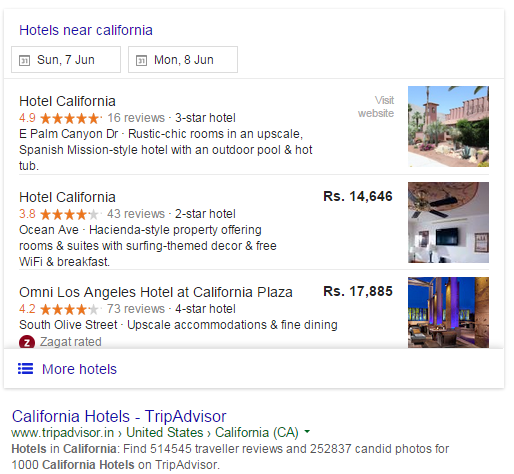
    The past few years have seen big changes in Local SEO on Google, and not just Google Local morphing into My Business.  Google has consistently endeavored to improve the quality of search results and as a consequence they are now more informative, providing details about what people say about a particular place, the working hours, the ratings assigned by other users – all of this driven by Googles algorithm updates. The Pigeon update, in particular, has had the biggest impact on the way optimization for local search works.

    To turbocharge local SEO, focus on the following:

    1. Search queries
    2. Social media
    3. Web Directories
    4. Websites & News sites

    Search Queries

    The Penguin update introduced the use of geolocation, breaking up cities and regions into geographical entities. As a consequence, the way target keywords are used changes. Emphasis now needs to be on targeting neighborhood related searches rather than city wide search queries.

    Your job: research neighborhood related search terms and incorporate them into your strategy.

    local seo search

    Social Media

    Google search-Position2 blogTo reach target audiences quickly watch out for neighborhood related groups on Facebook. Consider all social channels as optimum for content syndication.

    Your job: build a network of businesses and residents from the neighborhood. If everyone in the “neighborhood” shares content (yours, theirs), visibility on Search results rises.

    Web Directories

    Limit yourself to TOP directories only. That’s the rule of thumb in this case. The old days of just building links for SEO are history. The focus is now on syndicating content and providing users with rich information. So post on quality sites rather than each and every directory.

    Your job: leverage directories like Yelp, Trip Advisor, Urban Spoon, depending on the kind of industry you cater to.

    Related Websites and News sites

    Do not ignore local news websites. They come up on search with location based search queries. Maintain a presence on these websites and continually update your press releases (they double as fresh content).

    Investigate industry specific forums, aggregator sites where lots of local businesses list, and maintain a presence to continually  spread the word.

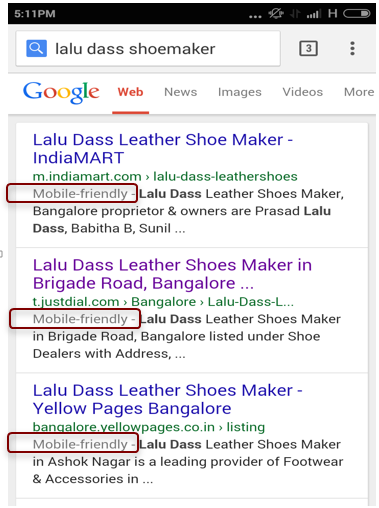
    The majority of local search queries originate from mobile devices. These are users on the move, in your neighborhood. If your website isn’t maxed out with mobile friendliness you are all but wasting your time.

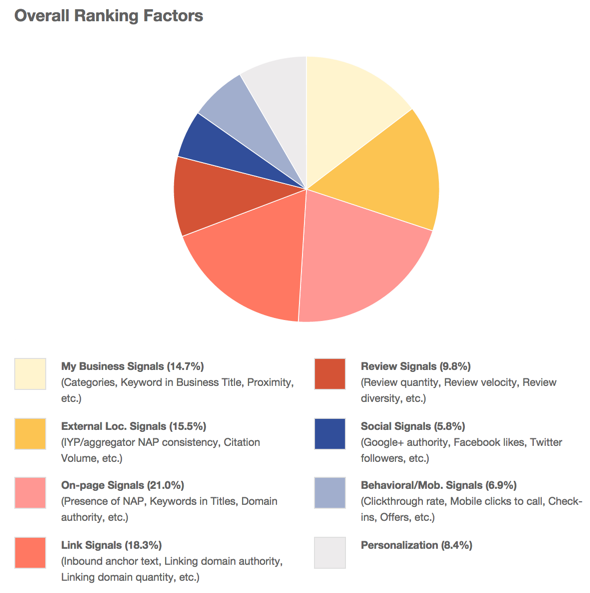
    Your job: read about the ranking factors for Local SEO clearly explained in this report from Moz. The winning combination in Local SEO includes website, Local Business, Social Media and user-generated content.

    seo-overall ranking factors

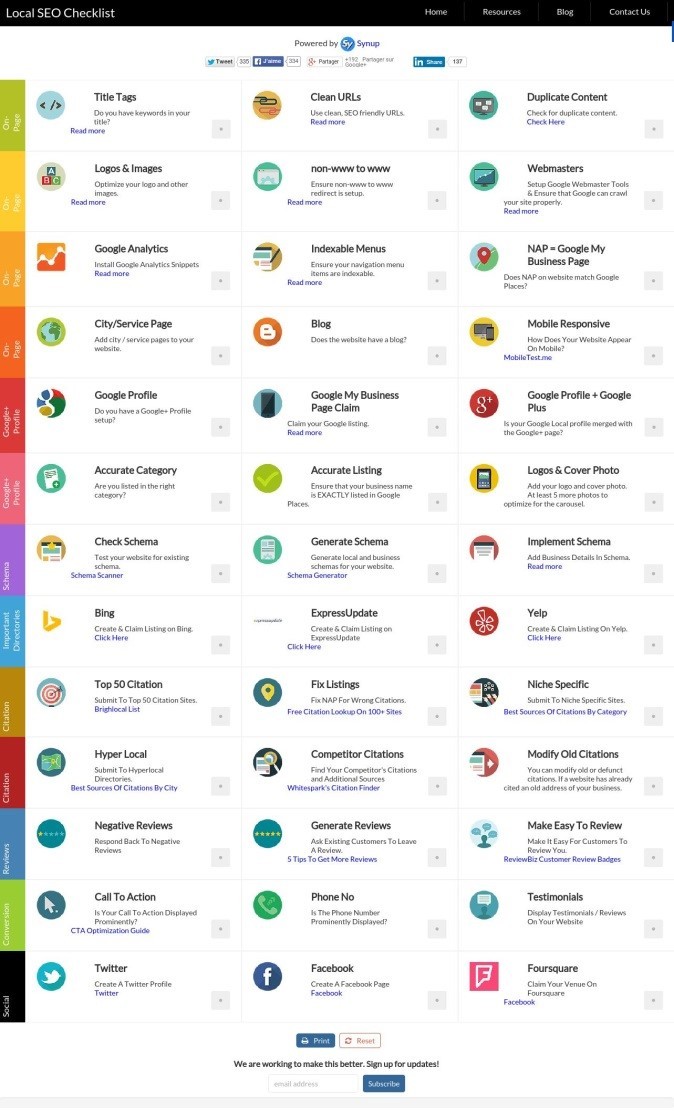
    Another good resource — www.localseochecklist.org  —  has some nice insights into where you should concentrate while optimizing for local search.

    local seo checklist

    If you are B2C marketer and have seen beneficial changes over the last couple of months, share details in the comments section below.

  • Google I/O 2015: Some Highlights

    Google I/O, the annual event for developers – those creative coders busy building what’s next – unveils the latest in tech, mobile & beyond, a la Google.

    Keynote

    The keynote address at Google I/O by Senior Vice-President of Products, Sundar Pichai

    Project Jacquard

    project-jacquard

    Paul Dillinger of Levi Strauss on stage at Google I/O 2015 talks about Project Jacquard and the association between Google and Levi’s. Image: levistrauss.com

    Google Advanced Technology and Projects (ATAP) has come up with touch-sensitive fabric. It’s a combination of conductive fibers woven into fabric that enables the embedding of sensors in your clothes.

    Project Ara

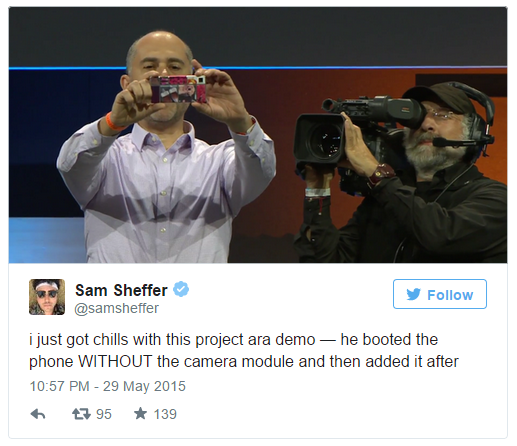
    Project Ara makes smartphones modular — you build the smartphone you want by adding modules such as display, camera, processor, battery, etc. No more obsolescence every few years. On day 2 of the conference, at the ATAP keynote, Google engineer Rafa Camargo assembled a Project Ara phone in real time, and the phone went live, running on Android 5.0 Lollipop. While the phone was switched on, Camargo added a new camera module to the assembly, no rebooting required.

    project-ara

    Project Vault

    How to guard secure data while accessing it? That’s where The Vault comes in, a mix of cryptographic tools and a custom real-time operating system on the memory stick.

    We barely scratched the surface of Google’s vast range of product concepts and prototypes unveiled and demonstrated at Google I/O by Google ATAP. We’ll be carefully watching for the entire year ahead.

  • Best of the Week | Facebook: Where There Is No Outside, and much more…

    This week’s hot news, events and videos from the online marketing and social media world.
    Facebook-Where-There-Is-No-Outside-cover
    From the Position² Blog This Week:
    Facebook: Where There Is No Outside
    Facebook identifies all those digital opportunities that take users out of its sphere of influence, and then recreates them inside the blue walled Facebook ecosystem. Read on to discover the world Facebook has created, where there is no outside!
    Top Stories this Week: Social Media
    Top Stories this Week: SEO, PPC and Digital Media
    A Universal SEO Strategy Audit in 5 Steps - Whiteboard Friday Best of the Week Video
    David Edelman, the McKinsey partner and global co-leader of digital marketing strategy shares his thoughts on how digital is changing brands’ marketing approach to the consumer experience.
    White Paper: Increase Visibility for Your Content by 4x
    Today’s traditional SEO is inadequate: Ignite your search results by accelerating visibility in more places than ever before.Download this White Paper and learn:


    • SEO, why the way we know it is not enough
    • Introducing and implementing Enterprise Visibility Accelerator (EVA)
    • Using multi-channel tracking tools for effective monitoring
    • How EVA benefits businesses.

    Download the complimentary EVA White Paper now

    Enterprise Visibility Accelerator-EVA


    If you are reading this blog post via a RSS reader, please click here to subscribe.
  • A Guide to Make Your Website Mobile Friendly [Infographic]

    Is your site mobile-friendly yet? If not, there’s no time like the present! Our infographic shows you exactly how to optimize your site to make Google and searchers happy. With 80% of all Internet users now owning a smartphone, there’s really no excuse not to optimize for the mobile web.

    position2-infographics-Mobile-Friendly

  • Bing It On

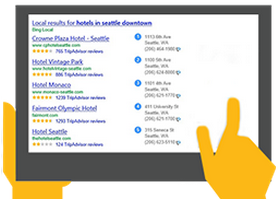
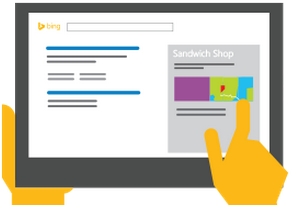
    Have you seen the latest addition to Bing Ads, Bing Places for Business? It connects businesses with local customers. This new offering from the Bing stable has options for local businesses with a storefront, chain businesses with multiple locations and businesses offering services at customer locations. Marketers claim their listing on Bing and then add details.

    Add your business to Bing in 3 easy steps

    1. Claim your listing

    Chances are Bing already has a listing for your business. Claim an existing listing or add a new one. If your business has multiple locations add them in one go using the bulk upload tool.

    claim your listing

    Image Source

    2. Complete your listing profile

    Adding complete information about your business helps you tell the best story. You can add photos as well as describe services, hours of operation and contact information.

    bing places-complete yourlisting profile

    Image Source

    3. Verify your listing

    Protect your listing from unauthorized changes by verifying it. You can verify your listings by receiving a PIN at your business address, phone or email. All businesses must provide a valid address, but some types of businesses can hide their address in search results.

    bing places-verify your listing

    Image Source

  • Google Rebrands Webmaster Tools as Google Search Console

    First things first. Remember Google Webmaster Tools? That’s now called Google Search Console. And Google has just announced two new features in Google Search Console for webmasters using App Indexing: Search Analytics and Fetch As Google for Apps.These new features provide data and reports that show how searchers find content housed within native Android apps by using Google search.

    To use these new features:

    1. Open Search Console and enter your app name: android-app://com.example
    2. In the console, the app must be associated to a website
    3. Submit the XML feed. Then you can extract value from the new features.

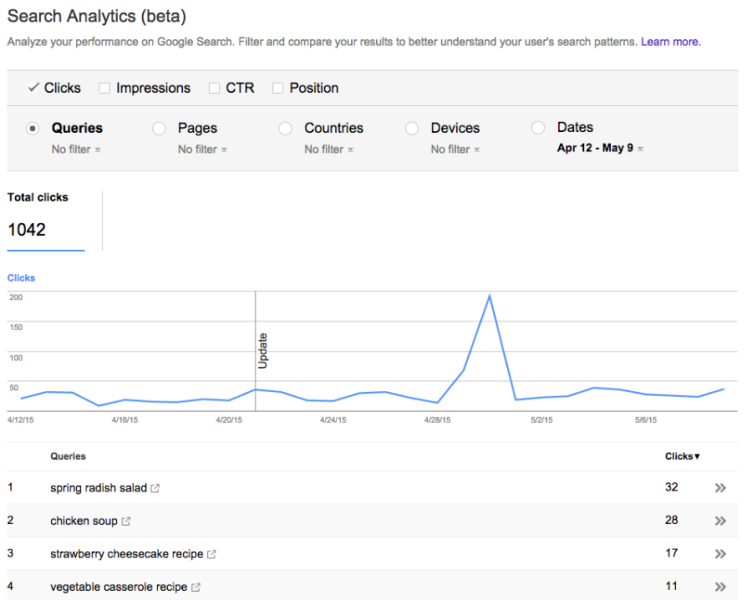
    Search Analytics For Apps

    The Search Analytics Report provides detailed information about top queries, top app pages, and traffic by country for the app. Marketers can filter by specific query type or region, or sort by clicks, impressions, CTR, and positions.

    Search Analytics For Apps

    Image Source

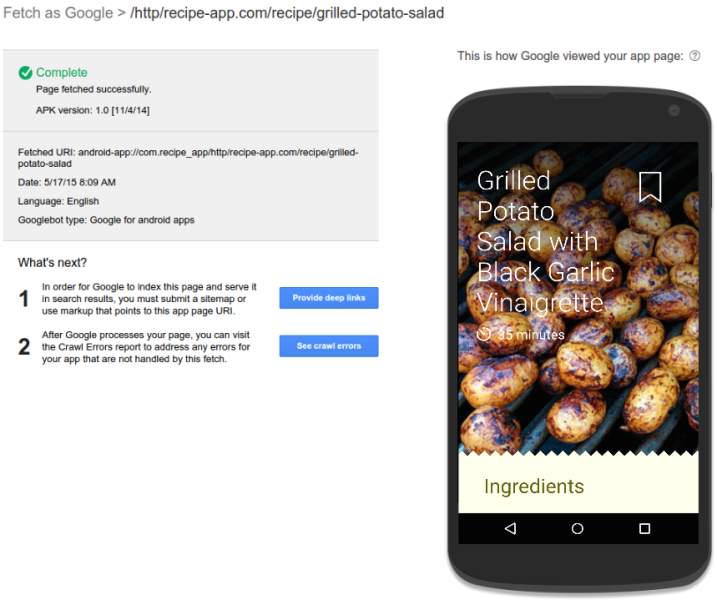
    Fetch As Google For Apps

    Fetch As Google For Apps

    Image Source

    Google’s beta version of Fetch As Google for Apps gives App developers insights into how Google sees content within Android Apps. It shows Marketers how Google renders the App uniform resource identifier (URI).

    For more details on App Indexing, check out our blog here.

  • Pinterest Launches Motion-based Ads

    Pinterest expanded its ad products on Tuesday with video ads called Cinematic Pins. They work much like Pinterest’s Promoted Pins, which are designed to blend in with other items in your home feed, but are motion-based. Brands like Gap, L’Oreal, Target, Unilever, Visa, Walgreens and Wendy’s are among the first paid advertisers.

    Not to be confused with Facebook or Twitter style videos where the action begins when you pause over them and stops when you move away, Cinematic Pins are first encountered in motion as you scroll down, then stop when you cease scrolling.

    Pinterest’s General Manager of Monetization, Tim Kendall, said, “Our view is that auto-play is interruptive. Users want to feel like they’re in control, and we’ve done a bunch of user testing—users are delighted by this experience. They wind up scrolling back and forth. They love controlling the motion.”

    Pinterest to launch upgraded advertising solutions for digital marketers

    1. Audience Targeting Based What Users Plan To Do

    Taking intent based marketing to a whole new level, marketers will be able to target audiences with Promoted Pins based on what users want in the future. Advertisers will engage people as they plan future purchases, as opposed to, say, searching for concert tickets to purchase in the moment. “People,” according to Pinterest, “do tons of different things on Pinterest, but most simply, it’s about discovering, saving and planning what to do next.”

    2. Ad Engagement Pricing

    With cost per engagement (CPE) pricing, advertisers pay only when users take an action on a Promoted Pin, including repinning, clicking to see a pin close up or clicking through to an advertiser’s site. This model will help marketers track future intent.

    Pinterest is already a map for a consumer’s journey. The new eye-catching Cinematic Pins will grab their share of attention, and provide more intent-driven data to marketers.

    Watch this blog for more updates from Pinterest.