Category: Paid Search

  • Google Applies “Not Provided” to Paid Search Ads

    Following up on its SSL encryption for signed-in searches, Google is extending the “Not Provided” arm of influence to cover paid search ads.

    In an announcement on its blog, Google declared that it is removing the query from the referrer on ad clicks stemming from SSL searches on Google.com.

    Google has assured advertisers that the latter will continue to have access to ad performance data and be able to optimize campaigns and landing pages. You will be able to draw crucial ads data from:

    • The AdWords Search Terms report, which will give you access to the search queries that generated ad clicks along with key performance data.
    • The Google Webmaster tools Search Queries report that will provide aggregate information about the first 2000 queries that generated organic clicks every day.

    If you used queries in the referrer for reporting, automated keyword generation or landing page optimization, Google has provided alternative routes:

    Position2’s POV

    Application of “Not Provided” to paid ads will not impact our optimization since we will get actual search queries using AdWords Search Query reports. This is what our Head of PPC, Sudheer Dhayanand had to say about this move by Google:

    • It will have an impact on dynamic query insertion on landing pages. But, we can insert keywords instead of search queries.
    • It may have an impact on third party analytics tools because of unavailability of search queries.
    • This will definitely impact companies who do not use AdWords tracking since they will not know which query has actually converted.
  • Influencer Marketing for B2B

    Image Source: Business2Community

    ‘Influencer Marketing’ – this concept has been doing the rounds in digital marketing for some time now. However, recent research on it suggests that it is picking up pace. Features like LinkedIn Influencers have made influencer marketing more powerful and the social media that carry it more persuasive.

    For starters, here is a simple definition of influencer marketing as we understand it:

    Influencer marketing is a marketing practice where brands leverage a person’s expertise and reputation in a specific area to launch/promote the brand’s products and services.

    You can either market through influencers or to influencers. The former is more prevalent but marketing to influencers and making them your advocates is a powerful strategy too. Let’s look at the road more travelled, marketing through influencers.

    There are many factors that brands must consider before cementing a partnership with an influencer. Here are a few:

    • How appropriate is the influencer to the brand in terms of values and beliefs?
    • How credible is the influencer and how far-reaching is his reputation ?
    • How appropriate are the channels used by the influencer(s) and how can the brand best leverage them?
    • Do you have a communication strategy and the content in place to build prospects’ interest in influencers?
    • How are you going to measure the ROI from your influencer marketing efforts?

    Advantages of Influencer Marketing for B2B Brands

    • Higher Trust Factor
      In B2B marketing, relationships tend to be more valuable and complicated than in B2C. The cost of changing a partner could have significant implications for a company right from re-aligning work processes to changing equipment. Consequently the choice of a company is a careful decision and influencers play a significant role in making partners appear the correct choice not just in terms of product fit but also in in terms of philosophy. Independent influencers are powerful allies as you benefit from their stature and thought leadership.
    • Greater Persuasiveness
      Having reputed influencers from your industry associated with your brand boosts the persuasiveness of your offer. Their acknowledged domain knowledge makes prospects more inclined to hear out your product story and believe it. You can use influencers’ support to augment your brand message and vouch for your product capabilities. Their knowledge and research make for a stronger marketing effort.
    • Product Launch Support
      Influencer marketing helps brands go deeper into new markets and market segments better. This is because not only can brands use their own networks to promote the launch, they can also make use of the influencer’s network. And what’s more, brands will also be reaching relevant target audiences in the process improving their targeted reach ensuring optimum use of resources. All this is great when it comes to giving new products the impetus they need in the market.
    • Eases Introduction of New Changes
      B2B products sometimes require new operating systems or have changes that markedly alter product functionality. Human beings often don’t like change even if it is for the better and so it is wise to announce the change through influencers who present it positively. This not just makes the new version acceptable but also provides reassurance via the influencers’ endorsement of product quality.
    • Bolsters Brand Networking Capabilities
      Mutually rewarding relationships between influencers and brands boosts brands’ networking abilities. Brands can not only expand their reach, they also gain access to new relevant leads through the influencer’s network.

    If your influencer communication strategy is right, you can sign up the best influencers in your industry. Once you have done this, make sure that both your industries and business objectives align. Remember that relationships play an important role in influencer marketing and the better your relationship with your influencers the more persuasive they will be in endorsing your brand. Influencer marketing can then help you go a long way in powering up your overall marketing efforts.

  • Globalization and Localization of Social Networks

    Social networks are pouring a lot of resources into making sure they have a global footprint.

    In the last few weeks, visual-centric social platform Pinterest has been investing in expanding its presence globally. The following list of countries and languages have been covered by Pinterest up until now:

    • India (Hindi)
    • Greece (Greek)
    • Hungary (Hungarian)
    • Romania (Romanian)
    • Thailand (Thai)
    • Philippines (Tagalog)
    • Malaysia (Malay)
    • Vietnam (Vietnamese)

    It’s not only Pinterest

    Other major social networks have been spreading their wings worldwide from quite some time. Expectedly, Google spearheaded this initiative. Facebook, Twitter and Instagram are also available in multiple languages. With communication becoming more advanced by the day and increasing number of people connecting with each other, globalization of social networks was imperative. At the same time, being available in local languages was also crucial for social networks.

    Reasons for Social Networks and Brands Going Global

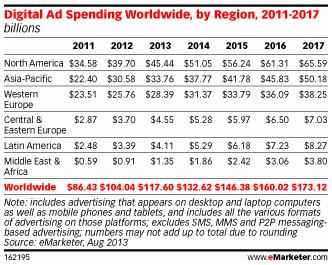
    Digital Ad Spending Worldwide
    According to recent research by eMarketer, global digital ad spending by brands has been increasing till 2014 and is projected to continue the upward trend for the next few years.

    With specific focus on social networks, according to a recent study by Decipher on behalf of the Word of Mouth Marketing Association and the American Marketing Association, 7 out of 10 marketers expect their companies to increase their social media spending in 2014.
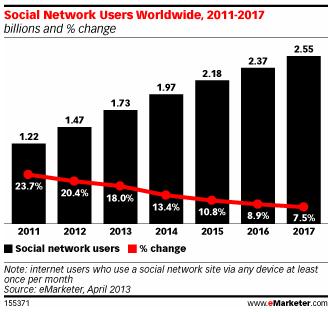
    Social Network Users Worldwide
    Another eMarketer study said that the strength of social media users worldwide will be 1.97 billion and will climb up to 2.55 billion by 2017.

    When brands are spending billions in ad dollars all over the world and social networks’ user base is expanding without being restricted to certain regions, social networks will want their share of the pie.

    To do this, social networks must expand globally along with maintaining robust ad offerings, retaining user trust, ensuring ROI for brands among other things.

    What is your take on this trend?

  • LinkedIn Builds On Content Marketing Ad Tools

    LinkedIn Builds On Content Marketing Ad Tools

    Image Source: Zach Zupancic via Flickr

    After its Influencers update, LinkedIn is continuing to focus on building tools that will increase its focus on content marketing.

    LinkedIn Content Marketing Score

    LinkedIn calls this tool as a ‘recommendation engine’ that measures your target audience’s engagement with your content and informs you about the extent of your impact. You can compare your performance with your competitors and see how you are doing. You can also measure your content performance across various LinkedIn platforms: Company Updates, Sponsored Updates, Groups, Influencer Posts etc.

    LinkedIn Trending Content

    You can now have your finger on the pulse of your audience’s content preferences. LinkedIn Trending Content tool will rank the topics that are popular with your audience. This will help you develop and modify content according to industry trends.

    Trending Content will display trending articles and topics that are ranked based on their engagement on LinkedIn. You can even see the particular audience segments that are sharing the most content about any topic.

    What it means for brands…

    You can target your content based on specific audience interests. While Trending Content will provide information about industry topic trends, it will also help in securing higher content reach with more shares. This is because Trending Content also shows data on audience segments that are sharing content, which will help in targeting only those segments that are most active in sharing.

    If you already have content on LinkedIn, score your current content and study the results. If you are not doing well, you can use the Trending Content tool and develop content based on trending topics.

    If you are starting out now, find out what topics are trending in your industry amongst your target audience. Build your content and strategy based on this.

    For more information on how you can bring Content Marketing Score and Trending Content together, you can download LinkedIn’s eBook.

    Tell us what you think about these two updates…

  • Yahoo Debuts Motion Ads and LinkedIn Will Close Products & Services Page

    Yahoo!

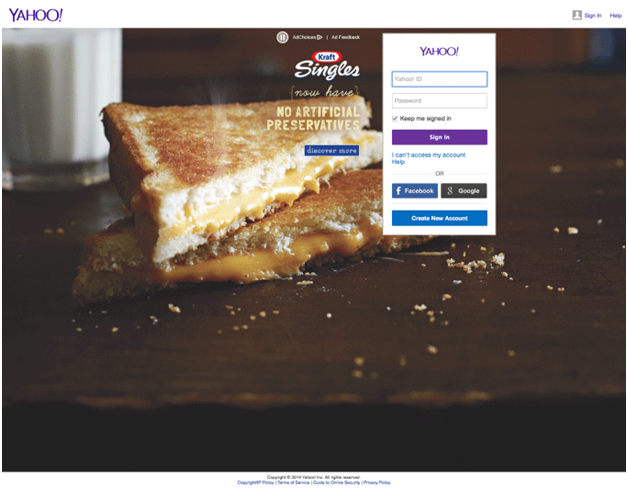
    The search company has unveiled a new ad format that is more interactive, Yahoo Motion Ads. According to Yahoo, these ads help brands tell more engaging stories and drive better brand awareness among their target audience.

    These ads are now available within Yahoo’s Billboard Ad on the homepage, their vertical category homepages and the Yahoo login page.

    Yahoo Motion Ads use high-quality images that are animated. This makes for a rich ad creation experience for marketers and an engaging experience for viewers.

    Yahoo debuts motion ads

    Rich, interactive ads like Yahoo Motion Ads are a boon for marketers who want a little more action in display ads compared to static ads. The movements aided by animation can help entice viewers in showing more interest in the advertised product/service and increase the chances of conversions. Using animation makes it possible to add more details into the brand’s story helping to improve engagement rates.

    Yahoo Motion Ads are paving the way for more interactive and engaging ads that are better aids for conversions.

    LinkedIn

    As part of a drive to evaluate its own products and services, LinkedIn is shutting down the Products & Services Pages on its Company Pages.

    With this change:

    • Products & Services Page will be removed on April 14, 2014
    • Brands can edit existing products and services till then but cannot add any new products and services
    • Company Pages administrators can recover Products & Services Recommendations directly from the tab by copying the information into a document

    If you are using this feature, you would have received an email from LinkedIn about this change and you can download a copy by clicking a link within that message.

    Alternative for Products & Services Pages

    Instead of the Products & Services Page, companies can now use Showcase Pages and Company Updates to share content.

    Though LinkedIn is withdrawing an important feature by closing Products & Services Pages, brands still have good options in Showcase Pages and Company Updates to share information about their products and services.

    Do you have anything to add about these two updates?

  • Improve SEO Effectiveness with Google Trends

    Good SEO needs more than an understanding of the technical aspects of search and client’s requirements. It also needs a thorough knowledge of search trends relevant to your line of business.

    Google Trends is a great tool to stay updated on these trends. Yes, it will also give you information on keywords that are not specific to your brand, but that’s how people search. It’s not enough to just optimize your website for brand search terms. You also need to include relevant non-brand related keywords.

    Just think about it. Your target audience may not necessarily be looking for information using your brand name. They may be using search terms related to your industry. Having a wide spread of relevant keywords, though more expensive, can give you a competitive edge.

    Using data from Google Trends will help beef up your SEO efforts as it will help you understand consumer behavior better.

    Google has been emphasizing the fact that, in the future, SEO will be driven to cater to consumer needs. Google is now evolving from being a search engine to an interface which helps users get what they exactly want.

    The settings in Google Trends offer different categories of data:

    • Web, Image, News, Product and YouTube search
    • Worldwide or region-wise search
    • Time ranges (extremely important to know how a keyword evolved)
    • Data is further available by interest categories such as, Arts and Entertainment, Autos and Vehicles etc.

    You can compare up to five terms or even groups of terms at one time with up to 25 terms in each grouping, such as:

    • Social + Icons + networking
    • Analysis + web + tools + spend
    • ROI + campaign

    As with regular search, the + sign here tells Google that you want to cover searches that include ROI and campaign both. Using ‘Hot Searches’ and ‘Top Charts’, you can also find out about the top searches for the day and by popular categories. It is small things like this that can give you a vital edge or insight that makes a huge difference in the effectiveness of your campaign.

    Avenues to Use Google Trends

    Assistance in keyword research

    Google Trends shows popularity of search terms over a period of time with a graph that indicates interest ‘levels’. While it gives you an idea of the trend for those words, it does not provide exact numbers that search marketers can use. However by using Google Trends with the AdWords Keyword Planner, you can check the interest levels for the keywords for a particular campaign. This helps weed out relevant but unpopular keywords you may have picked.
    Worldwide Keyword Popularity

    The above screenshot shows the interest levels for terms ‘social media’ and ‘social networking’. The graphical representation clearly indicates that people have searched using ‘social media’ more than ‘social networking’. For example, if you are promoting a webinar related to social media skills through Google AdWords, you would do better using the phrase ‘social media’ in the title rather than ‘social networking’.

    In geo-targeting for campaigns

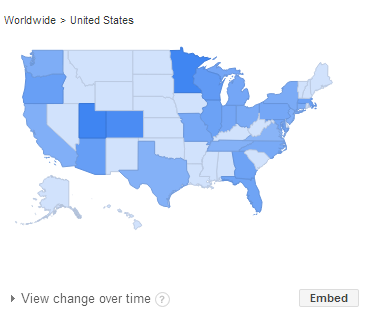
    You can access region-wise data on Google Trends and learn about the regions that exhibit the most interest in your keywords.
    Regional Keyword Popularity

    This depiction shows the maximum traction to be coming from Utah and Minnesota. You can even get data on the cities that top in these searches.

    Support in content marketing

    You can use ‘Hot Searches’ and ‘Top Charts’ to learn about trending topics in your industry. Do a quick survey among your clients and find out their real-time problems. Post blogs that answer those problems and build your reputation as an industry thought leader. Let’s pick Google among the social platforms and see the region where the interest has spiked.
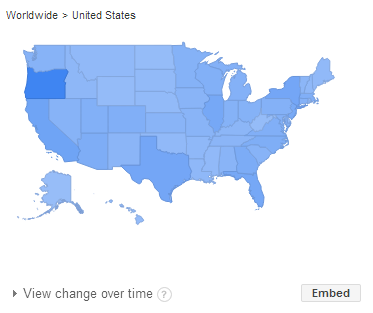
    Region wise Brand Popularity

    So, if you are planning on promoting an eBook on best practices for Google search optimization, Oregon should be a top contender in your list.

    Video content generation

    A YouTube search for ‘social media’ and ‘social networking’ reveals that again Minnesota ranks highest again with ‘social revolution’ being the topmost key phrase.

    Maybe, you can convert your webinar on social media into a video or a series on how a brand can kick start a social revolution for itself by making the right moves. You can ensure your video features in YouTube search using these terms in your video title and description.
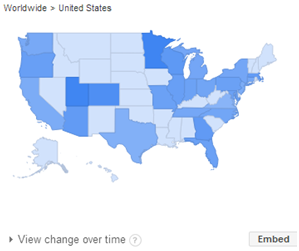
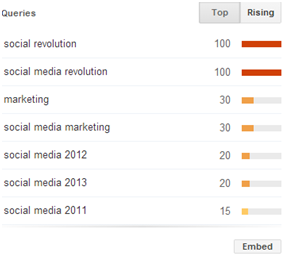
    Region wise Keyword Popularity on YoutubeTop Ranking Keywords on Youtube

    Another advantage of using Google Trends lies in estimating budgets to be allocated for paid campaigns. Data from Google Trends can be used to bid smartly on key search terms which users are actually using. This would help reach out to a larger section of the audience.

    Can you think of any other ways in which Google Trends can be used to boost SEO efforts? Tell us!

    Images Source: Google Trends

  • Facebook Launches Video Ads, AdWords Will Change Video Advertising Options and Twitter’s Testing a Click-to-Call Feature

    Facebook

    Facebook

    Facebook tested the video advertising waters in December 2013 and is now launching premium video ads with a select group of advertisers.

    According to Facebook, if you want to reach a large audience with top quality visuals, motion and sound, premium video ads are for you. These 15 second video ads will start playing without any sound when they appear on the screen and stop playing once a viewer scrolls past. The ads start playing with sound only when a viewer taps the video and it expands into a full screen view.

    To make sure the engagement quotient of these ads is as good as other content on the News Feed, Facebook has tied up with Ace Metrix company, which is helping them review and assess the engagement levels for each ad. Ace Metrix will assess the creative qualities of the videos in the Facebook environment objectively and provide marketers with pointers on watchability, meaningfulness and resonance.

    Facebook will be rolling out the premium video ads slowly over the next few months.

    Purchase and Measurement

    Premium video ads are bought based on Targeted Gross Rating Points to reach a specific audience over a short period of time. Delivery of these ads is measured by a third-party, Nielsen Online Campaign Ratings (OCR) and marketers need to pay based on what Nielsen OCR measures.

    Google AdWords

    Attention AdWords video advertisers!

    Google AdWords is making changes to video ads’ settings and formats starting April 15 and all campaigns will be automatically migrated from May 15. This change will blend the in-search and in-display formats into one format – TrueView in-display.

    According to Google, the new settings enable marketers to:

    • Organize video viewing around a user’s interactions with ads
    • Choose the places where the ads are shown at campaign level
    • Deliver more relevant ads on the YouTube search page

    Check out the following screenshot for an overview of the changes to come in April:

    To know more about these changes, click here.

    Twitter

    According to a story by Digiday, Twitter is testing a click-to-call button that will enable mobile users to call up advertisers directly. The testing is in beta now.

    According to Twitter’s VP of global online sales Richard Alfonsi’s statements to Digiday, this click-to-call feature will further Twitter’s current offering of promoted tweets, trends and accounts. He also said that this direct response capability will help Twitter focus on lower-funnel conversion oriented goals.

    We will be following this development. So keep an eye on this space for more updates.

    We would like to know your take on these updates. Do post your comments in the box below.

    Image Source: mkhmarketing, Search Engine Watch

  • Online display vs. TV advertising, Social media impact on B2B buying process and much more…| Best of the Week

    This week’s hot news, events and videos from the online marketing and social media world.
    Despite Strong Growth, Share of Online Display Advertising Spend Well Behind TV
    From the Position² Blog This Week:
    Despite Strong Growth, Share of Online Display Advertising Spend Well Behind TV
    Online display advertising is a highly sought after form of online advertising and its growing at a strong rate. However, it is still not much compared to the growth of TV, a traditional media form. Read this article to know more.
    Top Stories this Week: Social Media
    Top Stories this Week: SEO, PPC and Digital Media
    Best of the Week Video Best of the Week Video
    Do you make your content simple or scientific?
    Google’s Matt Cutts answers a question on whether keeping your content simpler or including more scientific jargon in it makes a difference to your ranking. Check out this video to know Matt’s take on this.
    White Paper: Increase Visibility for Your Content by 4x
    Today’s traditional SEO is inadequate: Ignite your search results by accelerating visibility in more places than ever before.Download this White Paper and learn:

    • SEO, why the way we know it is not enough
    • Introducing and implementing Enterprise Visibility Accelerator (EVA)
    • Using multi-channel tracking tools for effective monitoring
    • How EVA benefits businesses.

    Download the complimentary EVA White Paper now

    Know more about Enterprise Visibilty Accelerator(EVA)
    If you are reading this blog post via a RSS reader, please click here to subscribe.
  • Despite Strong Growth, Share of Online Display Advertising Spend Well Behind TV

    Online Display Advertising Spend Well Behind TV

    A recent Nielsen study revealed that the growth of display advertising on the internet surged to an all-time high touching 32% in 2013. This growth covers global display advertising across the web, mobile internet and apps.

    Internet display advertising is big. But, it is not the biggest fish in the advertising pond. Yet.

    Despite its impressive growth, (which is also the fastest compared to other media platforms), the share of global online display advertising only accounts for 4.5% of overall ad spends. The growth rate of TV advertising is much lower at 4.3% but it continues to be a popular choice with most marketers as is evident by its 57.6% share of ad spends.

    Web display advertising grew rapidly in 2013. But, as the Nielsen study shows, it’s just an example of high growth on a small base. The allure of video content, which is behind the continuing success of TV as an advertising medium, is drawing more companies to opt for videos to be a part of their online marketing mix.

    Small but Versatile

    The sheer indispensability of the Internet often makes us forget just how young the medium is. Given its age, its penetration and versatility is amazing and it has a number of advantages over its older and more traditional competitors. One can access online content across a variety of screens from PC, laptop, tablet to mobile. One can even watch TV over the Internet! Web advertising has an indisputable trump card in multi-screen advertising.

    With media multi-tasking becoming a common phenomenon today, the call of multi-screen advertising is growing louder. Brands can target users on different devices by using tools like responsive websites.

    Of the many drivers that are powering online display advertising growth, multi-screen advertising is significant as it allows advertisers to stay in touch with audiences even as they migrate across screens as is their habit these days.

    Multi-Screen Advertising Set to Grow Further

    Tools like Twitter TV ad targeting that help brands in targeting TV viewers using Promoted Tweets and events like the Google-comScore deal that will help measure different ad formats across the web in real-time makes Internet advertising more appealing to marketers. Each of these events is likely to strengthen the case for internet advertising and drive greater spends.

    Multi-screen advertising specifically can become a huge area of investment in the near future because it leverages the Internet’s versatility.

    Conclusion

    Despite its obvious promise, internet advertising is still in a very nascent stage. It does have formidable competition in TV but that hasn’t stopped it from growing significantly. Digital marketers who are running online display ads are gaining valuable learning (and business) from tapping into this near ubiquitous, extremely versatile medium.

    Over the last few years, we’ve witnessed the galloping influence of the Internet and it doesn’t show any signs of letting up. If anything, it’s increasing! We’re betting on it as the medium to market through and advertise on.

    What are you betting on? TV or the Internet?

    Image Source: 401(K) 2012

  • Google Strengthens GDN Targeting with Bizo Partnership

    Display Ads

    In a bid to improve the targeting capabilities offered on the Google Display Network (GDN), Google has struck a deal with data management and targeting platform Bizo.

    Google is now testing new targeting capabilities in beta through their partnership with Bizo. The latter has access to a database of more than 120 million business professionals throughout the world that can leveraged across different platforms such as, email, display and social.

    Bizo audience targeting capabilities coupled with GDN can make sure that your ads are placed in front of the right audience. A wide choice of audience segments are available to pick from:

    • Technology
    • Beauty
    • Fashion
    • Music and so on

    You can choose Bizo audience segment targeting within Google AdWords for both display and video campaign targeting. You can also optimize and measure campaigns in real-time since all the performance data is stored in Google AdWords.

    However, the cost of CPMs and CPCs for advertising with this kind of audience targeting on the GDN is likely to be high owing to the cost of Bizo and other third-party providers.

    This partnership will add more power in the targeting arsenal of online marketers. With personalized marketing increasing the emphasis on precision audience targeting, such empowered targeting capabilities will help marketers target the right people improving the chances of conversion and ROI. Better conversion and ROI can help in more efficient campaign planning and budgeting ensuring judicious use of your digital marketing budget.

    Do you think such partnerships will help Google become stronger in the online audience targeting space?