Category: Content Marketing

  • 5 reasons why your business needs content marketing

    From start-ups to Fortune 500 companies, everyone’s joining the content marketing bandwagon. In today’s dynamic and digital world, content marketing is possibly the most effective method to gain new prospects and retain the existing ones. There’s no escape from it if you’re serious about growing your business.

    Don’t believe us? Well, numbers don’t lie.
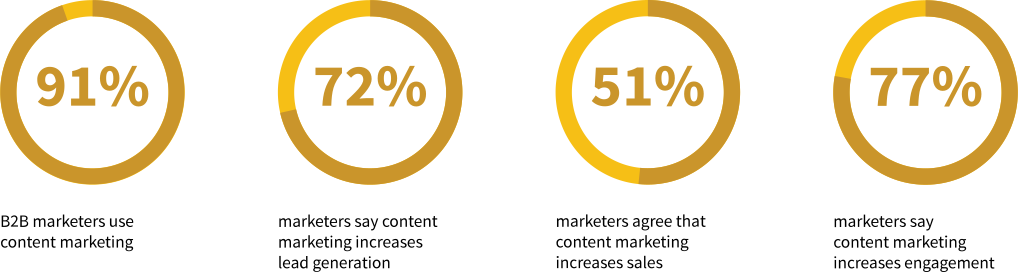
    5 reasons why your business needs content marketing

    Does this mean if you don’t have an effective content marketing strategy in place, you’re most likely to miss out on business? Probably, yes.
    However, if you’re still not convinced about adopting a content marketing strategy, here are 5 reasons why your business needs content marketing.

    1. Content helps to establish brand identity
      In a world where more than 46% Americans check their smartphone before getting out of bed, content consumption begins even before the day starts. Digital transformation is in favor of content marketers. By creating the right content and effective marketing strategy, marketers like you can carve a niche for their brand. Content in the form of blog posts, emails, infographics, and videos makes your brand stand out amidst competitors or cat videos. Create content that not just floats your boat but your customers’ too, in turn giving them a mnemonic to remember your brand.
    2. Easy to track and analyze
      A marketer like you probably spends a lot of time stuck in a dilemma pondering over what works for your business and what doesn’t. With an effective content marketing strategy, you can easily track and analyze your numbers, and quickly zero in on what’s working for your audience and what’s not. This process not only ensures a smooth content marketing operation but also makes it highly efficient at targeting leads and converting them to customers.
    3. Less expensive, more effective
      Unlike old-school marketing or advertising campaigns that burn a hole in the marketer’s pockets, online content marketing costs 62% less than traditional marketing. Your company’s return on investments will determine if your campaign was successful or not. With the right targeting, different content distribution, and analysis methods, it’s no surprise that digital content marketing fetches more ROI than traditional marketing.
    4. Improves search engine results
      Search engines have changed the business landscape. 60% of consumers start their research with a search engine before heading to a specific website. 81% of people look at products online before purchasing in store. Content marketing helps you improve your search engine results. Contrary to traditional campaigning that stays in the users’ minds only for a few weeks, days, or minutes, good content marketing collaterals remain relevant for a very long time. Plus, when users and media houses share your content, they’re unconsciously promoting your brand, potentially producing millions of dollars for free.
    5. Brings you closer to your target audience
      Generating leads is not the only goal for marketers like you. Producing the right leads who you can sell your business to is the ultimate goal. If done right, content marketing allows you to attract potential customers and retain the existing ones. Compared to traditional marketing where the user only has limited information, an online content marketing strategy leads to the other, giving the user more information about your brand. Moreover, content marketing strategy allows users who are actively searching for a brand to find it. It ensures they discover you.

    If you’re interested in amplifying your content marketing strategy, you’ve come to the right place. At Position2, we have helped a diverse range of companies across the globe create, curate, and multiply their content offerings.

    Stats Reference
    2016 B2B Report

    Content Marketing Statistics

  • How Do You Stand Out in the Content Jungle?

    75% of content marketers release new content every month, and 16.52% put content out daily. There are 2.5 million blog posts created every day.

    Content marketing is said to be one of the most important trends in the digital world of marketing. Good content is essential to connect the customer to the brand. By regularly updating the content and ensuring its relevance with current marketing trends, a successful marketing strategy can be maintained.

    Content Serves Two Very Important Purposes:

    • Inspires your readers and influences them to engage with your brand.
    • Educates your audience about your brand which in turn results in sales.

    In this era of information overload, it is crucial that each piece of content you produce is engaging to the audience and serves a purpose for your company or website. There are few essential elements which make your content stand apart from your competition and gets consumer engagement.

    Elements are:

    • Educative information
    • Human element
    • Clear, specific and familiar language
    • Intriguing content
    • Credibility

    Content should be sufficiently informative so the audience can get solutions to their challenges. An educative content engages with a user at a grass-root level and plays an important role in explaining product/service technicalities.

    The human element has its own place in the content creation with a strong purpose to gather attention. A human element could be anything from storytelling to current trends with careful usage of words/phrases that provoke a positive vibe from a reader. This element connects your brand with the users’ emotions and makes your brand stronger.

    A well-written content with an engaging tone works better as it takes a lesser amount of effort for a user to understand your brand. It’s always better to write in clear, specific and familiar language to avoid technical jargons and slangs. Faster, quicker, and memorable are 3 words that define this type of content.

    Intriguing content is helpful in generating curiosity and stimulates the reader’s thoughts. Your content should be intriguing enough to trigger the consumer’s mind to learn more about the brand. It should evoke emotions.

    Lastly, there should be a bridge of trust between your brand and the consumers. Credible content establishes consumers’ belief and trust. Always remember, more trust equals more visibility for your brand and you being positioned as a market/thought leader.

    Click here, if you want inspiration to put together a really compelling content for your next marketing campaign, or if you want to learn more about content marketing tactics.

    Source:

    • From an SEO’s Guide to the Insane World
    • Wyzowl
  • Content Marketing for B2B vs. B2C Audience

    Let’s start with similarities between the B2B and B2C content marketing strategy:

    1. Principles that apply to most digital marketing channels apply for content marketing too, namely- appeal, precision, look, relevance and revenue.
    2. Both B2B and B2C businesses need a robust client retention management program to be on top of their customer’s mind.

    Interestingly this is where the similarities between B2B and B2C content marketing end.

    Expectations from Content Marketing:

    Content Marketing for B2B and B2C

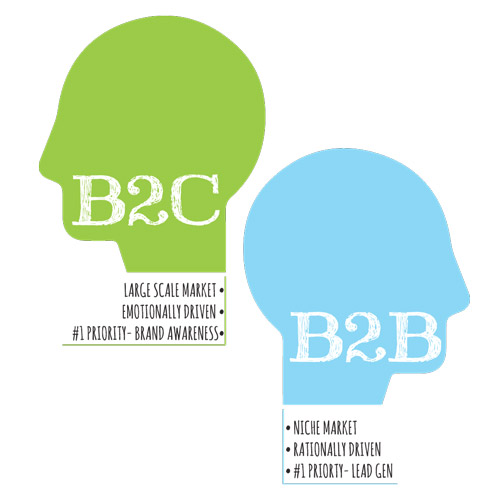
    In a typical B2B environment leads (form fills, e-mails submissions etc.) define success. It is expected that these leads will close and generate revenue down the road.

    For a marketer in B2C success is typically about the “buzz” a piece of content generates. So we get to hear words like – brand awareness, likes, retweets, YouTube views and so on.

    Given the different expectations, it only makes sense that the content marketing strategy is also different for B2B and B2C firms.

    Here are some prominent ways in which content marketing for B2B and B2C companies differs.

    Intent

    In a B2C industry a buyer is driven by motives that lead to specific thought process – will I look good in this dress, how cool will I be with this smartphone, do my friends own it, is the product available at a discount, is this site safe for me to buy, I need instant gratification etc. Innate needs and desires drive a B2C purchase decision. Therefore, the intent is to find something they like, that is also voted positively by others. As part of this process perhaps the buyer will read a review, look for user ratings, view a video and check out what others are saying on Facebook. He/she will then get comfortable with the price and buy!

    B2B audience on the other hand need a lot of information about a product before they can buy or even influence a buying decision. Yes, reviews hold good here too. But the key difference is the depth of information sought, multiple stakeholders and the entire selection process with these stakeholders. A firm trying to sell to other businesses needs to establish itself as a leader in the industry. Therefore, thought leadership and a content strategy that helps you promote this leadership is critical.

    The intent of the user in B2B scenario is to learn about a product, gather information and gain knowledge. He/she seeks out content that will help them do this.

    Content Type and Channels

    In B2C a purchase (or consideration leading to a purchase) is more personal. Therefore, how owning the product makes one feel, affordability and what others would think of them if they owned the product become paramount in decision making.

    As a result, B2C companies should have content marketing strategies that includes – UGC (user generated content), brand videos, discount promotions via banners or e-mails, Facebook posts and pages, real-time updates about products- SMS/ text messages or e-mails, tweets, Instagram and Pinterest. Being in front of the audience for top of the mind consideration is the key to success.

    Because B2B audience need much more detail about a product, content such as a whitepaper, infographic or a powerpoint detailing the benefits of the products and differentiators from competition will influence a prospect.

    Similarly, a video showing ease of use or a demo will help. Likewise, an ad on LinkedIn (sponsored updates) will help reach the right audience. Blogs and product specification sheets also do the trick.

    B2C Marketers on Facebook

    Customer Retention

    Once a prospect becomes a customer you want to retain them for a long time. It is only logical that you need to make more money than you spent on acquiring them. Therefore, loyalty or simply put retention programs are important. B2C brands should consider increasing retention by interacting with customers through multiple channels and with a range of content.

    Brands should engage their customers with – enticing new products or enhancements to existing via social platforms, promotions, stories, user generated content, social cause (CSR) and request for participation, solutions to product issues and co-creation of future products. For an effective retention strategy B2C companies should integrate their all-powerful CRM systems with content marketing strategy.

    This means a timed e-mail program and social media engagement via platforms like Facebook, Pinterest, Twitter and Instagram will be important. It is likely that B2C audience will tolerate such touch points and your customers might even want these touch points. Though there is CRM and content marketing interplay even with B2B customers, they need to be managed differently.

    Once the product is bought, typically after a long consideration cycle and multiple rounds of convincing others, the touch points to build loyalty and increase retention need to be precise and thought through. These touches have to be about the product bought or an obvious extension to the product. Therefore, messages about changes, fixes, enhancements, logical add-ons etc. will be important. This is a great way to retain and up-sell or even cross-sell to customers.

    Social media retention strategy might work in B2B too, but it is too wide a net to cast. You need a more segmented CRM approach based on purchase and customer history. CRM and content marketing strategy integration must lead to a “one-on-one” integration with your B2B customer.

    Therefore, an e-mail based approach works best. If the customer sees your strategy is throwing irrelevant content at them, they might stop noticing you. So a customized e-mail touch point is important.

    Conclusion

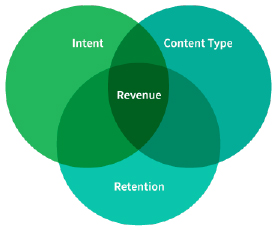
    Regardless of your business type you need to know your audience really well and make sure you segment them based on intent.

    So, in your upbeat desire to show your content strategy to your boss don’t just spray a bunch of content out there and pray that your business will grow. Approach your audience with a well thought out content marketing strategy. Start with intent, think about the type of content and finally retention.

    Content Marketing Strategy Mix

    Don’t be one of those content marketing professionals who end up not having an effective content strategy.

    Good luck!

    Content Marketing Strategy Mix

  • Content Marketing: What Not To Do

    There’s no shortage of content marketing guides on the internet. They cover all the tactics you should be using. But unless you understand the things you should not do, you don’t have a complete content marketing strategy. And for true success, you need to be flexible and continually adapt your approach.

    Here are key points to avoid developing a content marketing strategy.

    1. Don’t be too general when building a strategy: To build a successful content marketing strategy, you need firm foundations. Defining goals from day one is essential. A strategy that worked for one business may prove to be a failure for another, even if the two businesses are part of the same industry. Content needs to be specific to your target audience, and it needs to target that audience precisely. This is applicable to global businesses, but it is equally important for local businesses. A local audience can have cultural differences, so similar content strategies may not have a similar impact.
    2. Don’t confine your content: Content should not be confined to a particular vertical or a product line. Content is bigger than marketing: make sure you get it the right way around. For any marketing strategy to be successful, trust has to be established by bringing customers into the fold and engaging them. User-generated content is critical; any form of customer interaction should be used, whether it is reviews, feedbacks, tweets or comments. Content marketing strategies should be based on user-generated content, which can make the readers emotionally invested in a brand.

      Power of Content

    3. Don’t try too hard to go viral: Content works best when it engages a reader. This doesn’t necessarily mean it has to go viral. Look at the long game, and treat your strategy as a process of building momentum. Over time, you should aim to build trust in the reader, and engage the audiences. Once you have the groundwork in place, it’s much easier to get content to go viral. Brands must plan for the bigger picture rather than focusing on short-term traffic.

    Finally, remember: content is not a sales pitch. Stop trying to sell things with the content you create. It’s a turn off for readers, and it cheapens the information you’re putting onto your site. Instead, design your content marketing strategies in such a way that the product or service fits the consumer and sells itself.

    With over a decade of expertise, Position² is a digital marketing agency that accelerates demand for fast growing companies. With a dedicated team for Content Marketing, our in-house subject matter experts understand how to build successful content strategies, elevating your brand’s visibility while promoting increased engagement.

    By Divyansh Sharma

  • The Role of Content Curation in Content Marketing

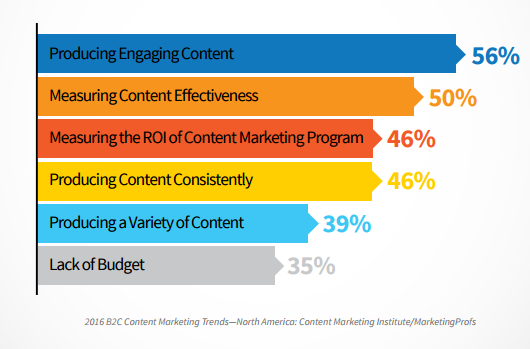
    The Content Marketing Institute (CMI) recently published its report on Content Marketing trends for 2016. It lays out some of the key challenges that marketers face today. As the graph below shows, the major hurdle for marketers lies in producing engaging content itself, according to over 55% of those polled.

    Top Challenges For B-to-C Content Marketers

    Content 1

    The poll also tells us that consistently producing a variety of content—and having the budget required to do so—are significant challenges to many marketers. Content Curation is one solution to these challenges. So what exactly is it, and how does it help marketers achieve the desired ROI? Content Curation can be defined as the process of gathering information relevant to a particular topic or area of interest.

    Key Steps In The Content Curation Process

    • Find interesting content from other people and sources
    • Use curation platforms to add descriptions and make the content more engaging
    • Add more visuals to the article
    • Elaborate on the content in about 200 words; ensure that the article is SEO-friendly
    • Publish it (but don’t forget to cite the original article or credit the author)

    Distributing Curated Content

    The task of a content marketer doesn’t end with curation. It is equally important to distribute curated content to get results. So let’s look at key aspects of how to optimize and distribute curated content.

    • Convert curated blog posts into informational e-books
    • Create emailers and newsletters with curated content
    • Use paid channels such as Medium.com for better performance
    • Create rich-media versions of curated content and syndicate on Slideshare
    • Publish on LinkedIn and other popular social channels

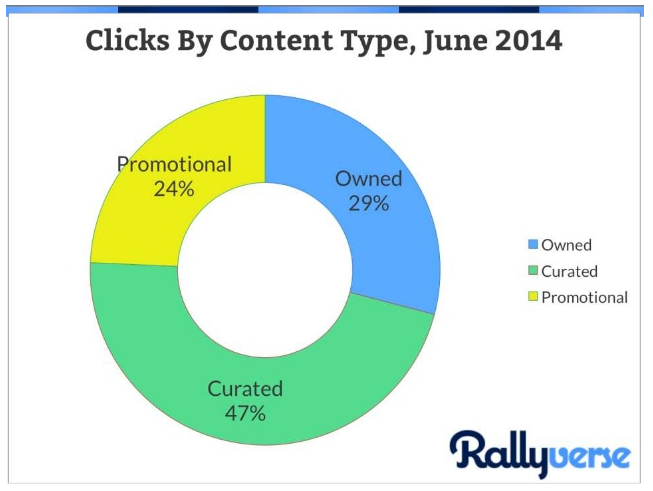
    How effective can content curation be? Here’s an example:

    Content 3Image Source 

    Position2 recommends that content marketers leverage the power of curation to meet marketing goals. We offer specialized content marketing services for businesses to accelerate demand. Get in touch with us for more information.

  • Campaign Hub – Position²’s Solution for Effective B2B Marketing

    Content is King, but what good is a king without his queen, advisors and officials?

    Creating great content is just the start. There are several additional things that we have to do right to stand out in today’s crowded marketplace. While we employ time-tested strategies to ensure that the content is reaching its intended audience, it is also critical to experiment and try new things, so that the audience spends more time on your site.

    Much has already been written about the importance of marketing effectively to ensure that the right audiences are targeted at the right time to ensure a successful lead gen campaign. Today, we will focus on the presentation and the technological aspects of a campaign, and their importance in the scheme of things.

    Once you have the right content in place, you want to implement the most effective marketing strategies to ensure that the most relevant audience has been targeted. Once you have the user exactly where you want him to be, the layout, presentation and arrangement of the content are of utmost importance. It is absolutely essential that we do not lose the user after all the effort that has gone in thus far.

    Enter Campaign Hub

    This is where a technology solution like Campaign Hub can prove to be a valuable asset by helping you create the vibrant, unique, and engaging landing page experience that you require to enhance the effectiveness of your content—and ensure that more visitors enter your company’s marketing funnel.

    Position²’s Campaign Hub seamlessly integrates with your company’s existing Marketing Automation software to ensure that all the information entered by your visitors directly reaches your marketing database. You also have the option of personalized targeting where, depending on the profile of the visitor, the type of content being served changes to best suit what they are looking for, and also creates value for your target audience.

    To maximize the effectiveness of your landing page, you can choose from a wide range of theater/ social conversation/ banner modules, form fills, or have custom modules developed to suit your requirements. The Hub’s A/B testing feature helps you test multiple designs and freeze on the one that works best and gives you the most visibility.

    Campaign Hub also has a Content Management System (CMS) option that allows you to launch campaigns with User Generated Content. This feature improves the quality of engagement with the target audience, and allows you to easily moderate the submitted content.

    In conclusion, there is certainly no substitute for good content. However, merely creating good content does not ensure success and visibility in today’s digital marketplace. A solid marketing strategy, as well as the right technology, go a long way in ensuring the success of an online campaign.

  • Create Enduring Content for Users and Search Engines

    Fresh content can initially drive a lot of traffic, but as it gets old, it can lose its relevance, become stale, and drop down in search results. This makes it less likely to be found—and even if it is, it may have little or no usefulness to those looking for fresh information.

    Well, online content is not meant to last forever, but that does not mean that its relevance lies only in the short term. Web content that is properly optimized will continue to attract search traffic and users long after it has been published.

    Content

    So how do you make your web content last longer to drive traffic and better serve users? Developing evergreen content seems tough, but there are a couple of things that can be done to make web pages perform better.

    How to Create Enduring Content


    1. Create content for search engines and readers

    Content needs to be created not only for readers, but also for search engines to index it, else it will not show up in search results for people to find. Content cannot last long if search engines are not indexing it and displaying it in their results.

    2. Update your content regularly to make it more relevant and useful

    Content that was published over a year ago may not have the same relevance today. When new topics are trending, look at where your content can fit into current trends and revise accordingly.

    3. Use various forms of content

    Content does not mean only published articles. It can be of any form, and in fact, videos, PowerPoint presentations, PDFs, and infographics are good ways to make content last longer.

    It’s also a good idea to periodically optimize content meta tags such as the title of the asset, its meta description and meta keywords. If published content is still relevant after a long period of time, meta tags can be updated to suit the best trending searches related to the content.

    4. Let users know how old or new the content is

    For published articles and blogs, it is wise to display when it was published and let users know how old the content is. Without a publishing date, readers may not be certain if the content is still useful.

    Not displaying the date of publication may put readers at risk if the provided information is stale or no longer applicable. Displaying the date lets readers decide whether or not to use the content. Otherwise, readers may be confronted with a dilemma, and abandon otherwise useful content only to avoid the risk of using outdated information.

    5. Notify readers when you update content

    Content that deals with particular subjects is likely to change frequently. If you update time-sensitive content to keep it relevant, it’s good practice to let readers know about such changes by mentioning it at the beginning.

    Sometimes it may not be possible to change published content to keep it fresh or relevant to current requirements. In such cases, let readers know that the content deals with old information, and then provide a link to a new page. This will help readers get the fresh information they are looking for, and is an excellent method to drive user engagement.

    Creating durable content for users and search engine requires continuous effort. It is not a one-time activity, and it requires regular updates to published content. To do this, you may also want to monitor your ranking results and traffic to know how your content is holding up over time.

  • The Evolution of Content Marketing – What to Do Next


    In February 2011, Google put an end to thin, keyword-stuffed content with a seismic change to its algorithm. The change affected 11.8% of search queries, and caused some sites to drop out of the SERPs overnight. As we approach the 4th anniversary of the original Panda update, what are our logical next steps in content marketing? And what have we learned from the mistakes of the past?

    Despite being hit by many successive updates, brands remain committed to the cause. Content marketing continues to be a key inbound marketing tactic, proven by the amount of content we’re collectively uploading to the web every day. For example, there are two million posts published on WordPress.com every day, and 113.6 million posts added daily to Tumblr. Add in all of the content uploaded to YouTube, business websites, and other blog platforms, and you begin to realise how important it is to be heard above the noise.

    Trending techniques

    In addition to increasing engagement, businesses must now battle content clutter and deliver increasing value and authenticity in what they post. As we look to 2016, we’re also going to see an increased focus on the bottom line: the return we get from the content we invest in.

    Thin content is most definitely out, and quality is in. For most brands, quality means answering questions. That provides value for our readers, and a better user experience. Evergreen content and pillar posts are vital as part of a carefully planned strategy across different channels. As content marketing matures, so do its consumers—they want more detailed, more visually appealing content, and they have higher expectations of what your brand can provide.

    To cut through the increasing content clutter, marketers are also looking to different channels, and resurrecting some techniques that have been neglected so far. The humble podcast is also coming of age thanks to some of the world’s biggest brands, moving from a hobbyist activity into the core of content marketing campaigns.

    Why the sea change? Audio and video content can be branded easily, without cutting into the editorial themes of the content. Additionally, podcasts offer a great platform for advertising, and in the age of the ad-blocker, that’s an opportunity well worth exploring.

    Driving profits with content

    The more we learn about content marketing, the more we learn to see the bigger picture. Thankfully, success is no longer measured in ‘Likes’ and shares; it’s about being part of the research journey, building trust in a brand, and figuring out how to play the long game.

    As you develop your strategy for 2016, think about ways content can be a component in both lead warming and nurturing, as well as providing the authority and trust you need to increase your bottom line. Apart from increasing the depth of content, it’s important to consider the channels and media you use to get your brand message across. To get the best ROI, marketers need to focus on efficient management to ensure that effort is not wasted, and that their budgets are always focused on productive outcomes.

  • Content Marketing – The Personalization Game


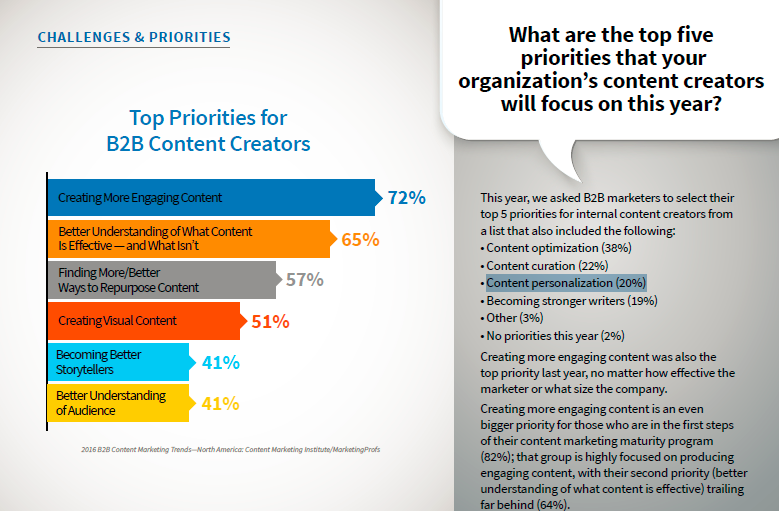
    The Content Marketing Institute’s 2016 Benchmarks, Budgets and Trends – North America is out now and making waves.  This detailed document covers the content marketing aspects and trends to watch out for in 2016.

    top priorities for b2b content creators

    One of the surveys lists the top 5 priorities for internal content creators:

    • Content optimization (38%)
    • Content curation (22%)
    • Content personalization (20%)
    • Becoming strong writers (19%)
    • Other (3%)
    • No priorities this year (2%)

    While content optimization and curation continue to hold the top position on the priority list, content personalization has obviously caught the attention of content marketers.

    content-personalization

    Image Source

    Content personalization enhances the customer experience across the entire sales lifecycle. Personalizing content results in increased conversion and sales. Leveraging the targeted buyer persona is key to successful content personalization. With that in mind, content creation should result in marketing collateral that can be channelized to the distinct stages of the buyer journey.

    Here are some quick tips on creating personalized content:

    1. Keep historic website data fresh

    Keep your website user’s data updated. Maintain an archive of relevant details. You’ll be able to showcase the right set of digital assets based on the targeted user’s demography.

    2. Quick surveys

    Conducting quick surveys will help you understand your user’s wants and needs. The surveys also serve as a feedback loop revealing what visitors think of the website and digital assets.

    3. Email campaigns

    By regularly leveraging targeted email blasts you build an effective information gathering system and keep your users up to date.

    4. Freebies and Discounts

    Who doesn’t like free? By offering discounts and freebies for repeat visitors you reward users and enhance brand loyalty, something that increases your competitive edge.

    5. Blogs and Newsletters

    An active blog keeps your audience up to date. Share the blog across social platforms. Newsletters are an effective way to update information and spread news across the online world.

    Position2 PoV:

    Content strategists at Position2 keep a close tab on industry standards, on trending keywords, on effective content creation. Our SEO copywriters advise clients about their existing content and placement, and the content we create is optimized for Search. We use content calendars to serve as placeholders for periodic content updates. All digital assets are well researched and segmented into different stages of the buyer’s journey (Awareness, Consideration and Purchase). Each asset is placed correctly to cater to the user persona.

    With 2016 round the corner think about how you will address content personalization in the coming year. Let us know your thoughts and best practices in the comment section.

  • Your B2B Content Audit: 7 Steps to Success

    More Content Than Ever

    2015 is the year marketers have finally come to realize the value of content marketing and the role it plays in an overall marketing strategy.

    The content of content marketing comes in many shapes and sizes:

     Social media content  Whitepapers  Print Magazines
     eNewsletters  Online Presentations  Books
     Articles on your website  Infographics  Mobile Apps
     Blogs  Webinars/Webcasts  Digital Magazines
     In person events  Research Reports  Virtual Conferences
     Case studies  Microsites  Podcasts
     Videos  Branded content tools  Print Newsletters
     Illustrations/Photos  eBooks  Games/Gamification


    Which content should be retired, archived, or remain unpublished?To hit the sweet spot of demand creation, marketers need to find the right answers to these three questions:

    • Which content should be reused, and in which formats?
    • What new content is needed, in which format, and for which channels?

    Why Is A Content Audit Necessary?

    • To find content gaps that lead to new content ideation
    • To understand which content and channels give results
    • To update relevant content assets
    • To retire irrelevant content
    • To upgrade SEO in the face of Google Panda
    • To better calibrate keyword and ranking strategies

    Step #1: Objectives For The Content Audit

    Set clear, well defined objectives for your content audit before beginning. A content audit can be executed with different objectives that focus and define the outcome.

    Step #2: Content Inventory

    What you see is what you have. Whether web pages, assets in form of white papers, eBooks, case studies, guides, PR articles, social content, etc., enter all your URLs and Content ‘Names’ into an Excel or Google Spreadsheet. This gives you a rough index to the content you have on hand.

    Step #3: Pruning Content

    If your digital content is like a pampered rose bush, you have to dead-head the aging, withered blooms to encourage new flowerings or, in this case, new site users.  Redundant, out-dated and trivial pieces of content must be removed and archived. Content pieces with time-based data or information should be updated. In this step the existing content needs to be modified as per current and future marketing requirements. Content pieces with time-based data or information need updating.

    Step #4: Content Audit Framework

    Establish a content audit framework based on these criteria and map content to audience segments.

    Quality of content

    Production quality can make or break demand generation and the way a brand is perceived. Be sure to follow brand and style standards.

    Relevance of content

    Your content and the buyer’s information needs should match at that point in the buyer’s journey when he reaches for his smartphone. Pay attention to tone, language, messaging and positioning for each content piece and map it to the relevant milestones in the buyer’s journey.

    Content Format

    This plays an important role in the distribution and consumption of content across multiple digital channels. What works best for you? Infographic? Video? PPT? Think about repurposing an existing whitepaper into an infographic, a short video with voice over and a 10 slide Power Point presentation.

    Step #5: Content Analysis

    Examine your relevant (post-audit) content for what works, in which channel, and how the content aligns with the overall marketing strategy.

    For example: An expansion of a product or service to a new geography is not progressing as per the project plan. A content analysis may reveal that sufficient content for the new market doesn’t exist. Or, the content exists, but is waiting for appropriate budget allocations to meet localization and translation demands. You may uncover other issues such as inbound marketing sluggishness or social media gaps.

    Step #6: Plug The Gaps

    Analysis will reveal one or more gaps. Revisit the content strategy and content calendar to plug these gaps. They may be in the quality of content, the processes around content management, production of the content, format or content distribution channels.

    Address gaps by:

    • reviewing the content marketing strategy and processes
    • assesing content marketing team skills vis a vis content creation and asset production
    • assesing content marketing team skills vis a vis content distribution and measurement of content marketing efforts

    Step #7: Maintenance

    After all the content analysis, problem identification, gap plugging, optimizing of content creation processes, upgrading team skills, etc. don’t slip back into the dark abyss of disorganized content within a few weeks.

    Periodic maintenance of content assets, continuous measurement of content performance and proactive modification and updating of content is the only way to stay relevant in the digital content game.

    Let us know about the challenges you face with content marketing, and the best practices you have implemented to overcome the hurdles.