Tag: facebook

  • The Benefits Of Facebook’s Custom Audience Remarketing

    Using Facebook’s Custom Audiences from your website, you can create an audience representing any group of customers or prospective customers that express interest in your product on your website. Later, you can reach these people with targeted Facebook Ads. For example, you could run a campaign to reach out to those who visited your site and viewed a product page, but have not made a purchase.

    Now you can deliver highly relevant ads based on the interest that visitors had in your products. This allows you to target current customers who have viewed a particular product or service page, potential customers who have not yet registered, or re-engage with recent website visitors by delivering highly relevant messages to them.

    Custom Audience from your website can be used to:

    • Remarket to people using your website
    • Make your existing ads more efficient by excluding audiences of people who have already converted
    • Create lookalike audiences of people who look like the people browsing your website

    Why should you track your customers?

    By tracking how each potential customer progresses along the buyer’s journey (e.g., which checkpoints a customer has completed), advertisers can more effectively influence people who have expressed interest in their products. For example, using the Facebook pixel, an advertiser could capture intent based on the activity of people who are viewing pages about a loyalty program, browsing a particular product page, or filling out a preferences form. Later, the advertiser could serve relevant ads to these people to encourage them to convert.

    How to set up Custom Audiences

    Custom Audiences from your website requires use of the Facebook pixel, which is a small piece of JavaScript code placed on every page of your website. The Facebook pixel is used to capture intent information about how people are using your website, and it sends back reports containing general information about the browsing session, a hashed version of the Facebook ID, and the URL being viewed.

    Advertisers can also send Custom Data back to Facebook that contains additional information about the browsing session. For example, when a viewer adds a product into her wish list, an advertiser can optionally send Custom Data to Facebook about this event, including information about the product. This product information then becomes available for use in Audience rules via the Facebook API.

    Now that you have those tracking pixels on your website, you’ll begin capturing your visitors so that you’re able to remarket to them at your leisure. This means that your ads will appear in their Facebook News Feed after they’ve visited your site.

    Using Custom Audience can lead to heightened brand recall, greater engagement, and a higher conversion rate.

  • How Marketo Ad Bridge Enables To Target The Right Audience


    Marketo Ad Bridge enables you to target the right audience with personalized marketing content across advertising platforms including Google, Facebook, LinkedIn, and other widely visited sites. By specifically targeting the right demographic with personalized content that’s based on their interests, businesses can more effectively reach prospects and get better results out of their marketing expenditure.

    How does it work?

    Ad Bridge leverages Marketo’s behavioral database to show relevant content by analyzing how existing and potential customers interact with your business via email, your website, and social media channels. Personalized ads based on those interactions are then displayed on Google, Facebook, LinkedIn, and other channels.

    Existing as well as new prospects who click on your ad will be taken directly to your business’s website or Facebook page. Ad Bridge allows you to stay in touch with your target market with promotions, useful content, and other information. Focusing on targeted users (rather than on indiscriminately widespread ad placements) helps place ads and useful content in front of those who are more likely to respond to them.

    Let’s delve a bit deeper

    LinkedIn’s partnership with Marketo Ad Bridge helps businesses take lead nurturing to the next level by leveraging the vast amount of information that LinkedIn has on its users via their interactions with connections. For B2B campaigns, Ad Bridge makes it easy to find new users looking for exactly what your business offers, while respecting the privacy of LinkedIn users.

    Marketo’s Ad Bridge partnership with Facebook now offers Lead Ads that make it easy for prospects to interact with a business page in Facebook. For example, clicking such an ad in the mobile version of a company’s Facebook page can bring up a form that is automatically populated with data from the user’s phone (which the user can edit for privacy). This allows the user to easily get in touch with the business for more information or offers. This data is then viewable on the business’s Marketo instance, and can be extremely useful for its lead nurturing program and bring new prospects into the sales funnel.

    It’s easy to see how Ad Bridge offers businesses unprecedented ease and targeting across major social media and professional networking sites. Smarter, more focused ad spending provides greater ROI to businesses using the system. Instead of scattershot ad placements that usually do not produce great results, Ad Bridge provides marketers with the tools to focus on prospects that are more likely to become customers.

    Stay tuned to the Position2 blog for more updates.

  • Best of the Week | Thinking Beyond Facebook And Twitter, and much more…

    This week’s hot news, events and videos from the online marketing and social media world.
    Leverage The Untapped Potential Of SlideShare
    From the Position² Blog This Week:
    Thinking Beyond Facebook And Twitter
    Who would have thought that Facebook and Twitter could become old dithering platforms bloated with every imaginable brand page? But that’s what your brand is up against. Read this blog to learn about other newer, ever evolving mainstream social platforms.
    Top Stories this Week: Social Media
    Top Stories this Week: SEO, PPC and Digital Media
    Digital advertising may be top media category in 2016: Report Best of the Week Video
    At this year’s B2B Connect, some of the experts in attendance gave their take on the future of B2B marketing. The interviewees took inspiration from the current state of the field, as well as the trailblazing being done in B2C, to formulate their answers. Watch the video below for predictions from these B2B marketing experts.
    Persona Based Lead Scoring: The Mystery and the Method
    Download this White Paper and learn:

    • Classify leads based on behavior and demographic details
    • Develop a consistent methodology to proffer quality leads to sales
    • Employ data integrity and tracking
    • Deploy marketing automation to improve efficiency and cut costs.?

    Download the complimentary persona Based Lead Scoring White Paper now

    Lead_scoring_Whitepaper
    If you are reading this blog post via a RSS reader, please click here to subscribe.
  • Thinking Beyond Facebook And Twitter


    Who would have thought that Facebook and Twitter could become old dithering platforms bloated with every imaginable brand page? But that’s what your brand is up against. So how do you get seen, become visible, despite all the clutter? The easy way into the light is to move your focus from Facebook and Twitter to newer, ever evolving mainstream platforms. There’s an advantage to this strategy because what’s dominant today may be old news tomorrow. Staying fluid and flexible is a good strategy. Right now is a good time to consider the added perks a brand gets from platforms such as Instagram, Pinterest, Snapchat, Periscope, Tumblr, etc.

    instagramCheck it out

    Instagram may be one of the fastest growing platforms, but it’s currently underutilized by marketers. Its thriving mobile application connects marketer with target audience at a very personal level. Because Instagram is so simple to use, brands have been able to move away from traditional designs and adapt more natural content. The retail and fashion industry use Instagram to share teaser images of products and “behind the scene” images that push trending. The recent update of Instagram Ads is well worth any marketer’s attention.

    pinterest

    Pinterest’s user base has grown by a little more than 50% over last year, and 80% of that audience is female.  Fashion, food and home décor are major points of interest. Creating individual (branded) boards where fan’s pin their contributions is a terrific source of engagement with a target. Curating and sharing user-generated content is every bit as valuable – if not more so – than a brand pinning its own content.  And now with the addition of “buyable pins” retailers have an unprecedented opportunity to use the platform to generate direct sales.

    snapchat

    Snapchat, the messenger application that combines the speed of texting with visuals of whatever is around, is a rising favorite among marketers. It’s also the third most popular app among the 18 – 34 year olds. The limited life span of content on Snapchat means brands are only as good as their last snap. You can feature many clips in a row, getting as creative and quirky as you want. Consider a Snapchatting campaign with a celebrity endorsing your brand. That would add a glamour quotient to your snaps.

    periscopeOver 80% of the Twitter audience uses mobile devices, so Periscope –Twitter’s live streaming application — paves the way for brands to interact with consumers in real time. They can build a more personal relationship with the audience, lending real-time access to special moments like product launches, events and customer care support. Celebrity take overs can be adapted to good effect along with answering questions live and behind the scene activities.
    But wait, there’s more

    A marketer might want to consider Fyuse. Create a 360 degree view and apply 3D tagging to the images. Watch out Instagram. Or Tinder. Yes, this popular dating app has been used by brands for everything from supporting a social cause to generating a viral social media storm. Imagination is a marketer’s best friend. Conventionality is like a sinking stone.

    Social media platforms have been evolving at such a rapid pace that marketers must either keep up or fall by the way. It doesn’t matter what the focus of the platform might be, brands need  to optimize their presence on Social by  being candid, making the personal/emotional connection, and working the real-time for all it worth.

  • Live Streaming: Next Big Thing In Social Media?

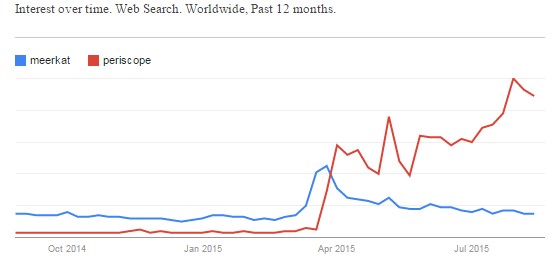
    Still posting quirky photos on Facebook? Tweeting yet more wordplay? Wake me when it’s over because right now it’s all about Live Streaming. You hear that buzz? That’s thanks to apps like Periscope and Meerkat.

    Four months after its launch Periscope can already boast 10 million customers. The user engagement and adoption for this form of Social Networking is totally for real, with Meerkat kick starting the concept and Periscope (which has clearly taken over) jumping on in.

    meerkat-periscope-interestRead full report here

    The big question, of course: How important is all this to Marketers? Well, let’s look at the numbers. According to OOYALA’s Global Video Index, time spent watching video on mobile devices increased 160% year-over-year in Q4 2013. By 2019 more video viewers will watch an average of 21 hours per month on their devices, up from 12.7 hours in 2013.

    Instagram and Vine let people record short videos and post them for later viewing. Periscope lets you look at the world through others’ eyes, right now. It’s like a news feed of real time videos where you can see what your friends – or strangers — are experiencing at that very moment anywhere in the world. Twitter was quick to spot this disruption and bought Periscope in February 2015, before it was launched.

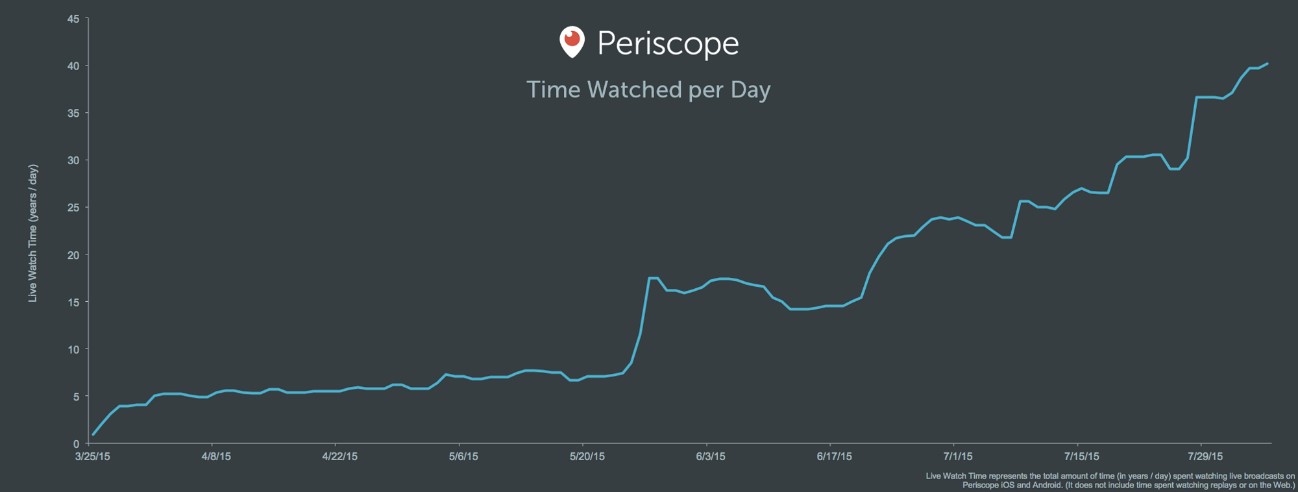
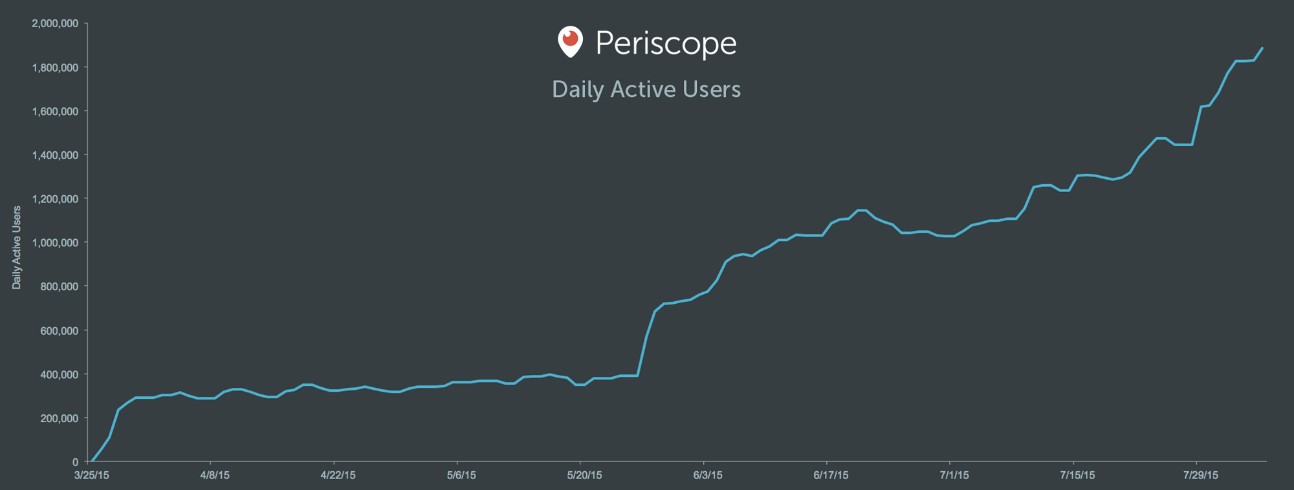
    Periscope celebrated their exponential growth on August 2, 2015—when they reached 10 million active users— with this Medium post in which Kayvon Beykpour’s (CEO, Periscope) claims 40 years of live stream watch time daily. That’s sure to become a new metric: live stream watch time (LSWT).

    time watched per day

    daily-active-users

    Some brands have been early adopters, learning as they go. Some recent examples:

    1. Red Bull: A brand known for its unique and forward looking marketing initiatives, Red Bull didn’t miss out on Periscope. At Miami Music Week, Red Bull live streamed a handful of their Red Bull “Guest House” events, while also increasing their engagements using Twitter and Snapchat.
    2. Spotify: The popular music app used Periscope to post a ‘behind-the-scenes-video’ with Conor O’Brien of the Villagers. Spotify received hundreds live viewers and the video was replayed hundreds of times more.
    3. Mountain Dew: The brand used Live Streaming as a way to engage and reward their Twitter followers. The live video showcased Mountain Dew swag hats and T-Shirts, and a chosen few who commented on and liked the video got some Mountain Dew gear as a surprise.
    4. Adidas: The brand came up with a unique Periscope stream: giving fans a chance to watch James Rodrigues sign his contract extension with Adidas, in real time.
    5. Turkish Airlines: Turkish Airlines created a first of its kind live streaming of a flight from Istanbul to New York on Periscope. The live broadcast gave their social media fans an exclusive ‘behind the scene’ sneak peek, including a rare glimpse inside the cockpit. The ‘Periscope’ flight racked up 5K+ followers and 200,000 likes by the end of the broadcast.
    6. Forever 21: How to attract a millennial audience? Try using bright shiny things with many, many moving parts. Forever 21 and Breakfast teamed up to bring Instagram pictures to life using a giant, digitally synced adjustable billboard, a contraption that includes some 200,000 parts. The machine renders versions of Instagram photos hashtagged ‘#F21ThreadScreen’ and cameras stream the process live at

    Spend an afternoon browsing Periscope and Meerkat feeds and it’s obvious that 1. This disrupter is in its infancy and 2. It is eminently exploitable. The trick will be – as it is in any up to date approach to digital content marketing – making the live broadcasts relevant, interesting, exciting, worth looking at. Serve up the equivalent of cheesy TV ads and your brand will fall into a black hole. But provide something of value – there’s no telling where this can go.

  • Paradigm Shifts – From TV to Digital, From Desktop to Mobile


    The numbers are in. The verdict has been delivered. The paradigm shift is official. According to new research from Standard Media Index, digital media siphoned off more than $1 billion in advertising revenue from the US TV market, with 87% of those dollars drained out of the Big Four networks – NBC, ABC, CBS and Fox. SMI tracked agency investments over a nine-month period spanning October 2014 to June 2015, an interval that corresponds with the broadcast calendar.

    New segments like the digital video market are growing at a blistering rate. With spend on pace, it is poised to hit $7.77 billion by year’s end which is a little over 10% of the $70.6 billion TV market.

    Not Convinced? Let Facebook Be Your Guide…

    Three years after Facebook started running ads on its mobile properties, mobile advertising accounted for 76% of Facebook’s $3.8 billion in second-quarter advertising revenue, which was up 43% year-over-year.

    Facebook’s mobile user base saw even steeper growth, with mobile monthly active users up 22% and mobile daily active users up 29%

    In the second quarter, the average price of an ad on Facebook rose by 220% while the number of ad impressions Facebook served dropped by 55%.

    Is your business strategy in line with the digital and mobility revolution? Use the comment box to share your thoughts.

  • Cortex: Twitter Ramps Up Its Artificial Intelligence Efforts


    The hunt is on at Twitter for engineers to ramp up the company’s artificial intelligence efforts. It calls the new team “Cortex.” After acquiring DeepMind in 2014 Google has been doing a lot of work with artificial neural networks. And Facebook CEO Mark Zuckerberg has flagged artificial intelligence as one of the company’s key initiatives. So it’s no wonder that Twitter wants to enlist architecture and systems software engineers to work on “Deep Learning”,

    Wikipedia tells us that “one of the promises of deep learning is replacing handcrafted features with efficient algorithms for unsupervised or semi-supervised feature learning and hierarchical feature extraction.” Twitter’s Cortex team will mine this specialized branch of artificial intelligence to help the company better personalize its service for its 300 million users, and keep up with Google and Facebook in the industry’s real-time personalization race.

    Twitter’s job listing explains why it needs artificial intelligence and how it views the new Cortex team:

    “Twitter is a unique source of real-time information, offering amazing opportunities for automatic content understanding. The format of this content is diverse (tweets, photos, videos, music, hyperlinks, follow graph …), the distribution of topics ever-changing (on a weekly, daily, or sometimes hourly basis), and the volume ever-growing; making it very challenging to automatically and continuously expose relevant content. Manually defining features to represent this data is showing its limits.

    “Our team, Twitter Cortex, is responsible for building the representation layer for all this content. As an architecture engineer at Twitter Cortex, you will help us build, scale and maintain the backbone of our online learning systems, and directly impact the lives of our users and the success of our business.”

    Twitter may not have the resources of Google or Facebook, but the Cortex group demonstrates that Twitter is a serious AI contender. For Twitter, AI capabilities could translate into new products and features and breathe life into stalling user growth. If the flood of content generated on Twitter every hour can by presented as a personalized feed to each user based on their interests then Twitter might just strike gold.

    Let us know your thoughts about how artificial intelligence can revolutionize the digital social media world.

  • Mobile World Congress 2015 – Mobile Advertising

    For the first time the Mobile World Congress (MWC), which just wound up in Barcelona in early March, anointed mobile marketing and advertising as a standalone entity. Talks were given that highlighted the finest work in mobile advertising. And a lot of new trends and technologies that will have a major impact on the mobile landscape took center stage.

    Mobile Marketer’s Takeaway

    Some of the important points for the mobile marketer to consider:

    1. The rise of social media
    2. The inevitable fragmentation of social attention
    3. How cross-channel attribution demands more attention
    4. The emphasis on data-driven creativity

    1. The Rise of Social Media

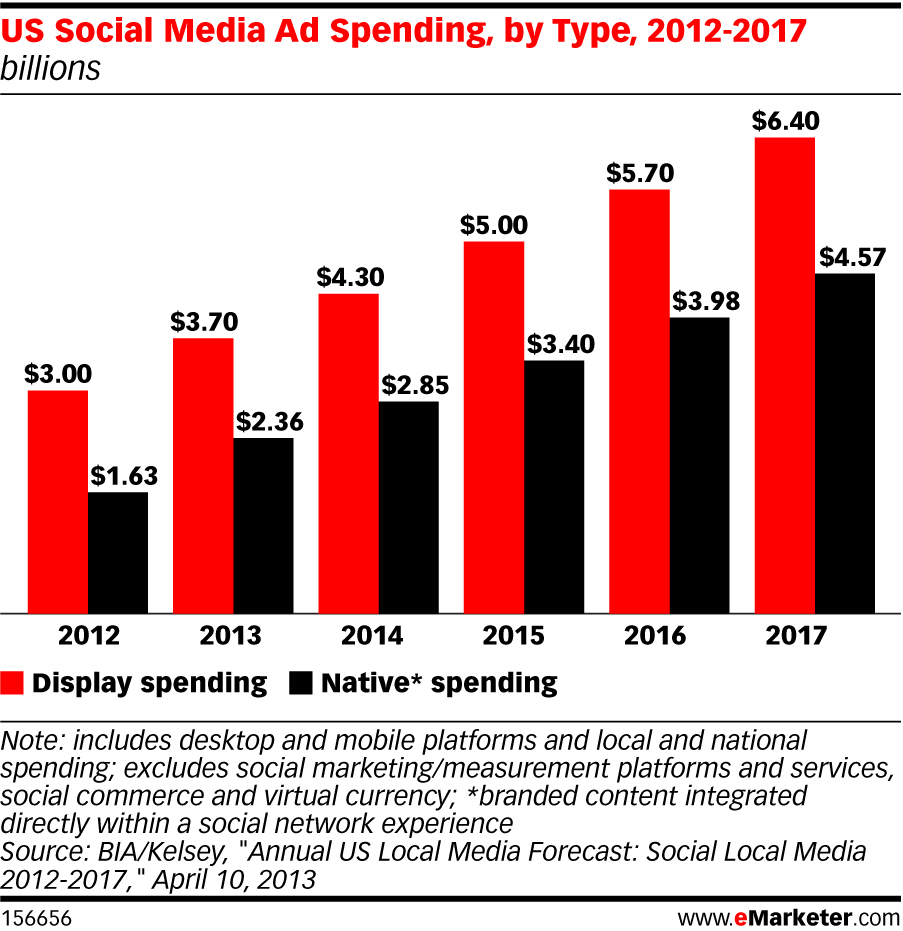
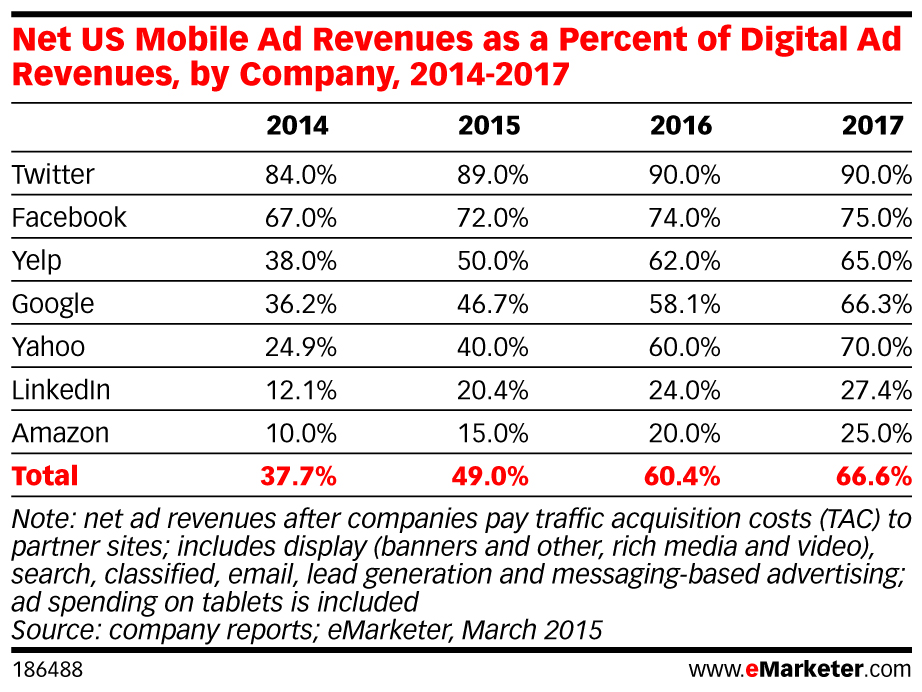
    In a world where more people own cell phones than toothbrushes, most major social platforms have transitioned to the mobile platform. Mobile ads now account for 69% of advertising revenue for Facebook. Tools like Facebook Atlas emerge. It targets people across multiple devices to support people-based marketing campaigns. It’s a customer tracking tool that does not rely on cookies and finds a lot of use in mobile advertising. This is a radical shift that paves the way for a holistic mobile marketing experience.

    US-Social-Media-Ad-Spending-2012-2017

    2. The inevitable fragmentation of social attention

    The breakneck speed at which the social landscape expands and proliferates has given rise to dedicated messaging apps. As a consequence, dark social (which is social sharing that can’t be tracked using web analytics, because sharers are sending content off the social platform via email or IM, for example),  may account for as much as 70% of social sharing on the Internet today. This is a challenge Mobile marketers need to size up and understand. Truly knowing what users are talking on social platforms supports better targeting.

    Net-US-Mobile-Ad-Revenues-as-a-Percent_of-Digital-Ad-Revenues-by-Company-2014-2017

    3. Cross-channel attribution

    Cross-channel attribution uses advanced analytics to track various marketing touch points across channels. US adults have an average of three connected devices and they all offer crumbs of data from the channels. Consumers today easily switch between devices. They might browse and add a product to the shopping cart on a smartphone. When they switch to their desktop they expect the same shopping cart with all the history to be carried across, seamlessly.

    It’s imperative that brands and companies ensure a fluid online journey that is commensurate with what the customer needs. That is the only way for digital marketers to aid conversions, establish customer satisfaction, and ascertain return visits.

    4. Data Driven Creativity

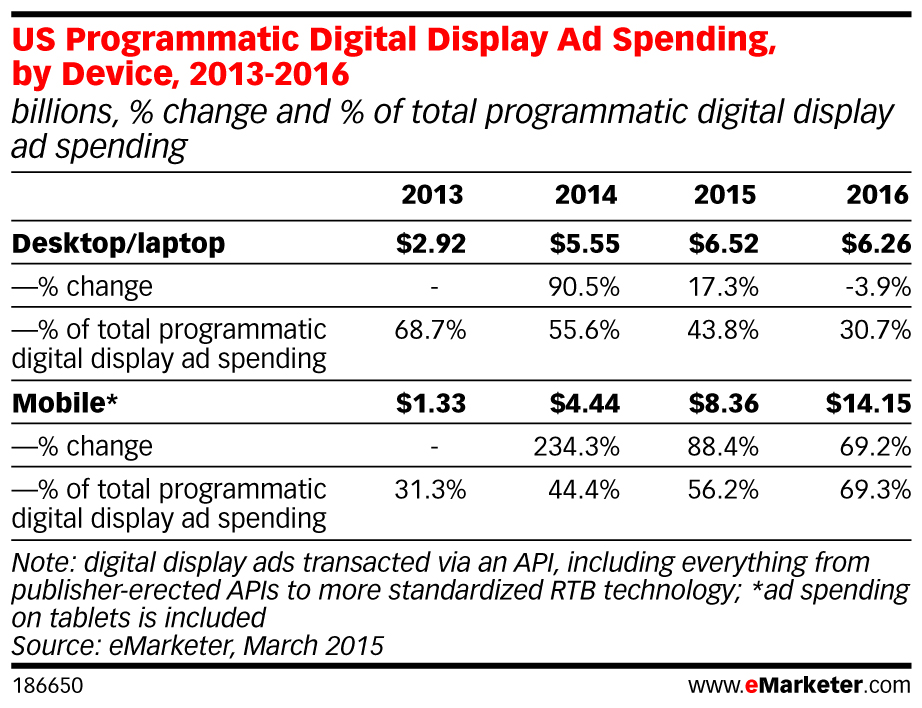
    Data-driven creativity meets programmatic buying to deliver a 360 degree customer experience. It’s the new world of the buying and selling of media in an automated, data-driven way.

     US-Programmatic-Digital-Display-Ad-Spending-by-Device-2013-2016

    It makes it possible to deliver personalized ad messaging on a massive scale, an experience that is in sync with the customer’s needs, thus ensuring a deeper brand engagement.

    Share your thoughts on the just concluded Mobile World Congress 2015!

    Contact Position² to deploy a ‘mobile first’ marketing strategy for your B2B brand now!

  • Changing US smartphone dynamics: A by-the-numbers opportunity

    A quick look at comScore’s Q4 data spells out a digital marketing fact of life: It’s no longer a “mobile too” world out there. It’s all about “mobile first”.

    • United States smartphone penetration jumped to 76%
    • 3% of total US population now owns a smartphone
    • 84% of all US social media users access the platform via a mobile app or browser

    This does not presage the end of the desktop or the laptop. But it does underline, with data, that users want access to the Internet anytime, anywhere, with any device – but primarily with a smartphone.

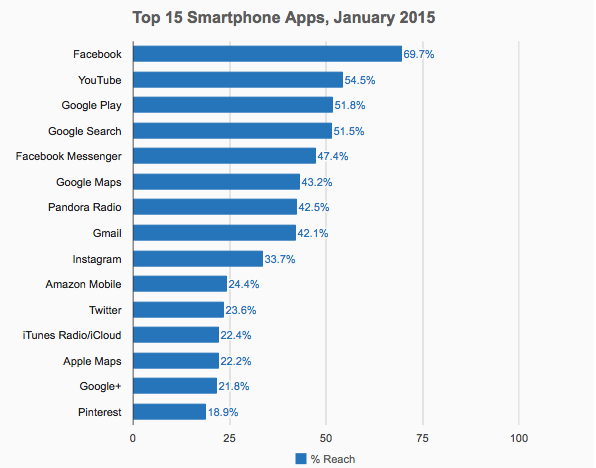
    And of that Internet usage? A lot of Facebook time, followed by You Tube. And making a first time appearance to the Top 15 Smartphone Apps list: Pinterest.

    What are people doing on their smartphones?

    mobile-usage-stats-applications

    Image Source

    Social networking, watching videos, searching for information, messaging, accessing email are all top activities on the smartphone. This spells opportunity for digital marketers, and the platforms know it. Facebook has made advertising easier to its massive, lucrative audience thanks to the mobile app it recently released to manage your ads. Twitter, with a 23.6% share, has improved ad campaign tracking tools, giving you a new and better way to manage your Twitter ads.

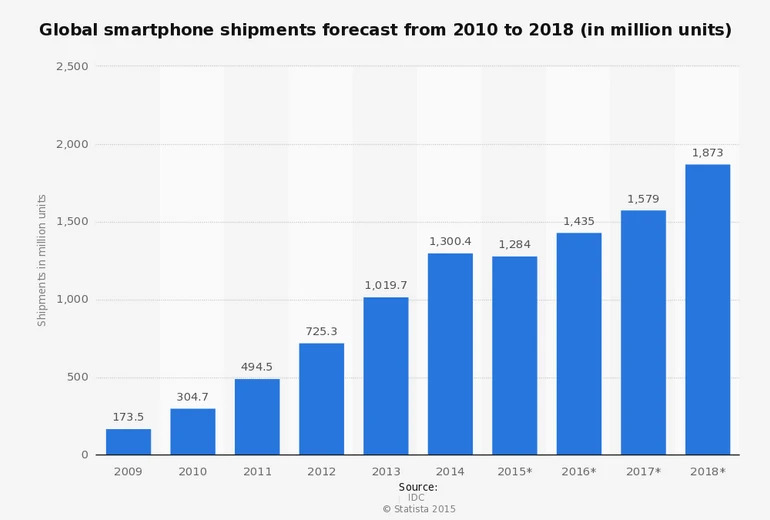
    Smartphone sales are going one way – Up

    global-smartphone-shipments-forecast-2010-2018

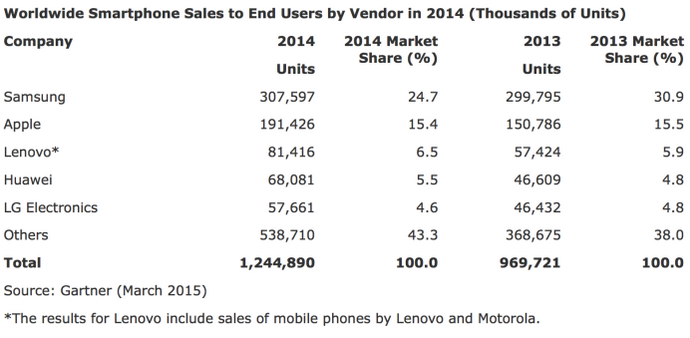
    Of the 1 billion+ smartphones sold worldwide in 2014, Samsung lead the pack. Apple, on the other hand, cornered nearly 90% of the global smartphone profits.

    Here is a breakdown by brand of worldwide smartphone sales in 2014:

    smartphone-sales-to-end-user-statistics

    As smartphone dynamics change so too must your digital marketing campaigns. Mobile centric is the way to go. It’s all in the numbers.

    Contact Position² for all your media and advertising needs targeted towards your mobile customer!

  • Instagram Debuts Clickable Carousel Ads

    Instagram is a fast, beautiful and fun way to share your life with friends and family.  And it’s free. All of that adds up to 300+ million users throughout the world, all of them potential targets for advertising.

    Instagram has always wanted people to browse for photos or videos and remain on the platform, not click on links that take the user off site, as is the case with ads on Facebook and Twitter. With the introduction of clickable carousel ads, advertisers now have good reason to get excited. Instagram’s carousel ads give brands more flexibility in telling their stories by allowing people who view their ads to swipe left to see additional images and link to a website of the brand’s choice.

    Think in terms of glossy multi-page ad campaigns in upscale magazines. That’s essentially where Instagram is headed with this advertising tool. But here’s the key difference between magazine spend and Instagram. The ads on Instagram have the advantage of all manner of digital analytics telling advertisers the exact nature of the impact.

    Cash flow

    Instagram has positioned itself with clickable carousel ads to give leading brands a quantifiable way to measure the impact of their marketing campaigns. The brands, in turn, are seeking vivid ways to influence people. Clickable carousel ads are a valuable resource to, among others, apparel, automotive, and restaurant brands that need more than a single image to fully display their latest offerings. Users swipe through the series of images, much like turning the pages of a magazine. Click through rates will help advertisers determine the effectiveness of their marketing campaigns. And the subsequent cash flow will keep Instagram a free and ever growing app.

    Contact Position² to reach out to your B2B clients on social media now!