Category: Paid Search
-
Best of the Week | Search Engine Optimization (SEO): Looking Ahead To 2016, and much more…
-
Search Engine Optimization (SEO): Looking Ahead to 2016
The last Quarter of 2015 is upon us, so it is time for marketers to position themselves and strategize for 2016. SEO is a big part of that. It has changed over the last decade and the recent past has been a beehive of activity what with major updates from Google like Panda and Penguin. Their intent is to make the search experience more rewarding for the user.
Moz surveyed over 150 leading search marketers who provided expert opinions on over 90 ranking factors and published the Moz ranking factors for 2015, something of a Ground Zero document worth examining.
What will shape SEO in 2016?
Taking all this into account, we believe these five factors should be at the top of anyone’s list:
- Content
- Mobile
- Usability
- HTTPS
- Social factors
Content:
Content has been and will continue to be the winning factor for SEO. Update fresh, original, and unique content on your site on a regular basis. Use your Blog as a platform to keep fresh thoughts (i.e. content) churning. To portray your organization as an industry thought leader, invest in content generation and syndication for the website.
Mobile:
It’s the era of the smartphone, with rapidly growing mobile penetration and mobile searches taking precedence. So mobile-friendly websites are essential. Use Google’s Mobile Friendliness test to check your site for, well, mobile friendliness.
Usability:
Ease of use and navigation is crucial to the user’s experience. No ease, no user. Content placement should always be in synch with the users’ intent. Achieve this with through research on trending and user-focus keywords, and then place appropriate content across the site. Your success is measured by how well you understand the user’s journey and persona and compensate accordingly.
HTTPS:
Ever since Google announced HTTPS as a ranking signal, many business sites have utilized secure encryption. It provides users with an advanced level of trust when browsing the website. For any websites engaging in online transactions, it’s a must-have feature.
Social factors:
Social media can influence search rankings and helps generate your authority across the web. There may be no better way to quickly spread word across the online world. Be active across all social channels and make Google+ and YouTube a priority. Google also uses Twitter data to discover new content.
All of the above factors, in addition to on-page and technical aspects of the site, lead to good SEO results. Remember, SEO is a collaborative effort and a combination of all these can help make the journey smoother.
Let us know your comments and thoughts!
-
Facebook: ‘The Online Shopping Mall’
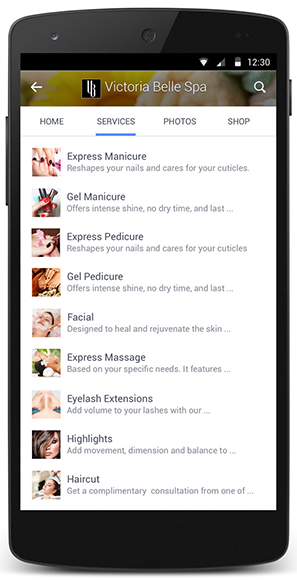
In the words of Facebook COO Sheryl Standberg, Facebook is making it easier for the 45 million businesses that currently leverage Facebook pages “to connect with their customers.” Two new segments now rolling out, Shopping and Services, allow businesses to feature their products and services directly from their Facebook pages.
Facebook first started testing Shopping in July. It permits retailers to showcase and sell their products from their page. Services is aimed at companies that provide professional services, like plumbers or salons, and helps them highlight what they do.
These new areas are still being tested with a group of businesses, but Facebook says it will open up the features to a broader business population in the coming weeks.
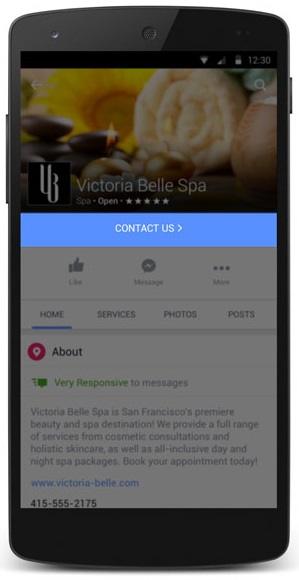
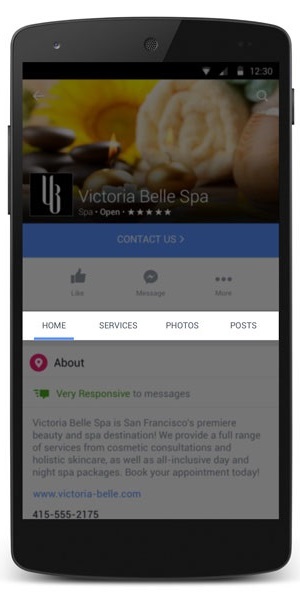
There’s more happening on the “customer” side as well. Facebook is making it easier for people to interact with businesses with three new “call to action” buttons: “Call Now,” “Send Message” and “Contact Us.” These buttons, which will join the “Donate” button for nonprofits, are being redesigned to appear prominently at the top of pages.
Facebook says it will continue to add more sections for pages and call-to-action options as it ramps up its features for businesses. Facebook says the updates are meant to make a company’s Facebook presence more customized based on the type of business and service offered.
-
Pay Per Click: In-House or Outsourced?
Assuming PPC is part of the overall marketing strategy, at some point every business owner is going to face The Big Decision: keep PPC in-house, or outsource? Hiring an outside agency can be a scary move, a big leap into the possibly unknown.
As with anything, there are pros and cons to consider.
PPC In-House
If you have the time and resources to do effective PPC in-house, and if you are happy with your current PPC performance and ROI, why fix what’s not broken?
But at least consider the problems inherent in PPC In-House Management
If you don’t have full-time marketing resources in-house, including your PPC Team, you may find over time it’s difficult to stay ahead of the competition. The digital marketing industry simply moves too fast. It morphs. It changes. There’s nothing part-time about staying on top of those changes and altering course where and when needed.
It takes people with the right expertise, the right skill set, to master this field. Good luck with that, if you haven’t hired them already. There aren’t enough resources available to train new hires. This may make the cost of supporting an in-house team more expensive than simply hiring an agency to take the headache off-site.
The Outsource Option
When you hire a marketing agency, don’t assume that you are getting both senior-level marketing professionals and a wide-range of skill sets at the firm. Make sure it’s true. Access to a dedicated PPC team means you have access to expert and up-to-date knowledge. You should expect to see well run campaigns that provide a greater ROI on your advertising spend. The proof, ultimately, will be in the pudding.
Run the numbers. You can hire an agency at a much lower cost than supporting in-house staff. Software licensing and other fees should be included in the agency fees. This means you don’t have to invest in any major resources. There are hidden values as well. While you have expertise within the context of your own business ecology, an agency pulls on expertise that comes from working with disparate clients across a broad range of industries.
And then what if you grow? Scalability. When it lands on your doorstep you don’t have to ramp up. You just tell the agency you are about to go big knowing you can be assured of the speed and quality of delivery.
In the long run outsourcing frees up time and enables you to focus on your core competencies. And that’s a good thing. What’s one less major headache worth?
-
Digital Marketing Insights From Dmexco
Dmexco, Europe’s biggest digital marketing expo and conference, wrapped up in Cologne, Germany, on September17, 2015 with plenty of insights into mobile marketing, branded content and e-commerce.
A few of the insights we liked include:
#1 – Based on data from 400 Nielsen studies covering two years of campaigns Amy Cole, head of Brand Development for Instagram EMEA, made the case for brands to buy ads on Instagram’s platform. Ninety-seven percent of ads on Instagram have generated “significant” ad recall, with the average campaign boosting recall by 17 points.
#2 – MasterCard’s new approach to marketing includes a program called Priceless Surprises that rewards cardholders with unexpected events. Global CMO for MasterCard, Raja Rajammar, revealed that during the Grammys last year, fans who tweeted a designated hashtag received a link to download a Justin Timberlake song, for free. Since that time MasterCard has rolled out 250,000 “surprises” for its cardholders in 15 months.
#3 – And don’t overlook how big e-commerce is in China. The country’s largest business-to-consumer site, JD.Com, has more than 600 million users. Over 373 million people shop directly from the site. Jack Ma’s powerhouse, Alibaba, reported 350 million active shoppers in March. So those JD.Com numbers are definitely worth noting.
#4 – Friskies’ “Dear Kitten” video series is the poster child for BuzzFeed’s branded content program. According to Nestle’s Digital Innovation founder, Stephanie Naegeli, the original three-minute kitty clip has racked up more than 23.5 million views on YouTube. And there have been millions of additional views for the other videos in the series. If all else fails, then, lead with cute kitty videos.
#5 –BuzzFeed has made a big international push into markets both East and West, with Europe and Japan racking up significant numbers. As BuzzFeed Europe General Manager Kate Burns told Adweek, 45% of BuzzFeed.com’s traffic now originates outside the U.S. In Germany alone traffic increased 32% between May and June and now brings in 3.3 million unique visitors. All of which leads us to believe it’s time to get your BuzzFeed on.
#6 – “Fifty percent of viewing of TV shows happens on devices other than television; 90% of people multitask while watching TV and 75% of that happens during commercial airtime,” explained Babs Rangaiah, VP of Global Media Innovation and Ventures at Unilever, during a session on Code and Culture. “We have to be realistic about the fact that this change isn’t going to happen. It’s already happening.”
PS: The final visitor count for DMEXCO came in at a mind-boggling 43,484 people from all over the world.
Source Credit: Adweek
-
Thinking Beyond Facebook And Twitter
Who would have thought that Facebook and Twitter could become old dithering platforms bloated with every imaginable brand page? But that’s what your brand is up against. So how do you get seen, become visible, despite all the clutter? The easy way into the light is to move your focus from Facebook and Twitter to newer, ever evolving mainstream platforms. There’s an advantage to this strategy because what’s dominant today may be old news tomorrow. Staying fluid and flexible is a good strategy. Right now is a good time to consider the added perks a brand gets from platforms such as Instagram, Pinterest, Snapchat, Periscope, Tumblr, etc.
 Check it out
Instagram may be one of the fastest growing platforms, but it’s currently underutilized by marketers. Its thriving mobile application connects marketer with target audience at a very personal level. Because Instagram is so simple to use, brands have been able to move away from traditional designs and adapt more natural content. The retail and fashion industry use Instagram to share teaser images of products and “behind the scene” images that push trending. The recent update of Instagram Ads is well worth any marketer’s attention.

Pinterest’s user base has grown by a little more than 50% over last year, and 80% of that audience is female. Fashion, food and home décor are major points of interest. Creating individual (branded) boards where fan’s pin their contributions is a terrific source of engagement with a target. Curating and sharing user-generated content is every bit as valuable – if not more so – than a brand pinning its own content. And now with the addition of “buyable pins” retailers have an unprecedented opportunity to use the platform to generate direct sales.
Snapchat, the messenger application that combines the speed of texting with visuals of whatever is around, is a rising favorite among marketers. It’s also the third most popular app among the 18 – 34 year olds. The limited life span of content on Snapchat means brands are only as good as their last snap. You can feature many clips in a row, getting as creative and quirky as you want. Consider a Snapchatting campaign with a celebrity endorsing your brand. That would add a glamour quotient to your snaps.
 Over 80% of the Twitter audience uses mobile devices, so Periscope –Twitter’s live streaming application — paves the way for brands to interact with consumers in real time. They can build a more personal relationship with the audience, lending real-time access to special moments like product launches, events and customer care support. Celebrity take overs can be adapted to good effect along with answering questions live and behind the scene activities.
But wait, there’s more
A marketer might want to consider Fyuse. Create a 360 degree view and apply 3D tagging to the images. Watch out Instagram. Or Tinder. Yes, this popular dating app has been used by brands for everything from supporting a social cause to generating a viral social media storm. Imagination is a marketer’s best friend. Conventionality is like a sinking stone.
Social media platforms have been evolving at such a rapid pace that marketers must either keep up or fall by the way. It doesn’t matter what the focus of the platform might be, brands need to optimize their presence on Social by being candid, making the personal/emotional connection, and working the real-time for all it worth.
-
Mobile Marketing & The Attribution Gap
Mobile marketing means targeting consumers on-the-go, in real-time. It presents marketers with a unique quandry: “How did my mobile spend work?” Attribution analysis is the answer. It’s also the most challenging aspect of conducting and optimizing a mobile campaign.
Do you really need to bother with mobile attribution?
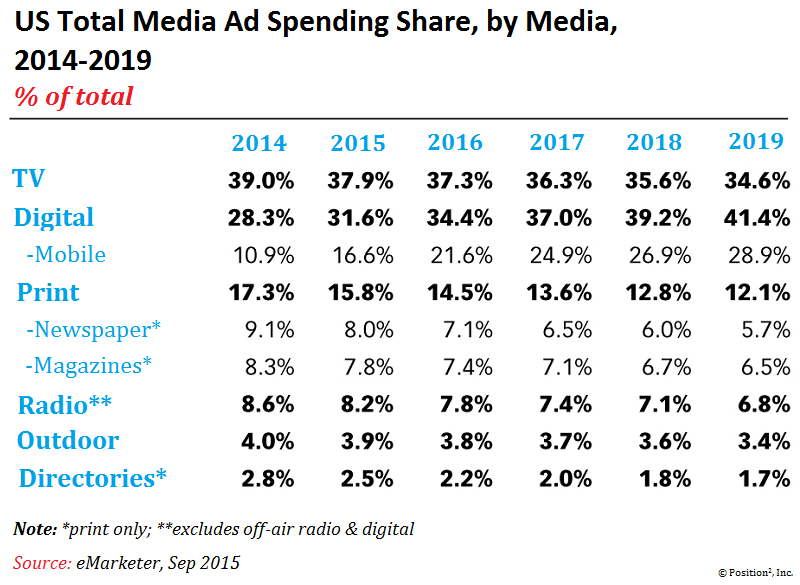
In a word, yes. A 240% or $47 billion increase in mobile ad spends from 2014 to 2019 makes digital channels in general and mobile ad spending in particular crucial to a marketer’s success.
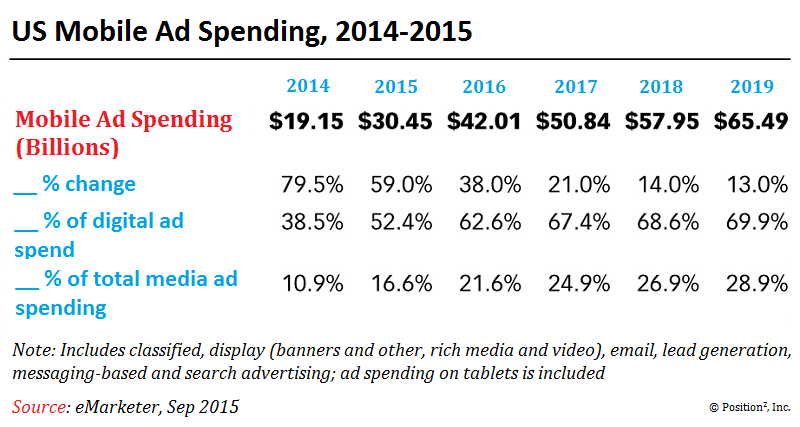
- According to Google smartphones account for more than half of searches in 10 countries—including the U.S. and Japan
- Currently, there are 3.65 billion unique global mobile users – We Are Social
- What do consumers do on mobile? 99.5% access content/information, 63.1% access the Internet, 62.1% check email, 49.2% listen to music, 46% play games, 41.7% download and use apps, 15%make purchases, and 15% read books – Search Engine Watch
- 4 out of 5 local searches on mobile devices end in a purchase, and 73% of these purchases are in brick-and-mortar stores – Search Engine Watch
- There were 76 billion calls from mobile marketing in 2014, growing to 162 billion in 2019 – BIA/Kelsey
- The digital advertising space grew 16% last year compared to 2013 and $49.5 billion in sales, according to the IAB study. A key driver of that growth was the burgeoning mobile space, which the trade org found to have skyrocketed by 76% —from $7.1 billion in 2013 to $12.5 billion—last year – Adweek
So, in a word, mobile marketing has enormous growth potential. Marketers are only now beginning to understand the amazing opportunities stimulated by mobile, and they still face the attribution dilemma, the biggest challenge to mobile marketing. Getting attribution right for your mobile campaign can make or break your digital budget.
Mobile App Attribution
There is no existing attribution standard in the mobile industry. To make matters worse, the two main device platforms (iOS and Android) vary slightly in the attribution methods used and the sequence in which those methods are executed, making it difficult for marketers to measure the effectiveness of mobile ad campaigns, optimize ad spends, etc.

Android
Google makes life for the mobile app advertiser easier by using a referrer URL parameter in download links to the Google Play™ Store. The Google Analytics SDK for Android uses this parameter to automatically populate campaign information in Google Analytics for your app. This enables the source of an install to be recorded and associated with future page views and events (for assessing the effectiveness of a particular ad for your app).
iOS

If you’re advertising a mobile app for the iOS platform, then after users click into the Apple® iTunes® App Store environment, their actions essentially enter a ‘black hole’ where you no longer have any insight into the performance of your app. Without a unique attribution mechanism similar to the Google Install Referrer URL, the Apple iTunes App Store requires you to rely on other attribution methods if you want any insight into the performance of your app.
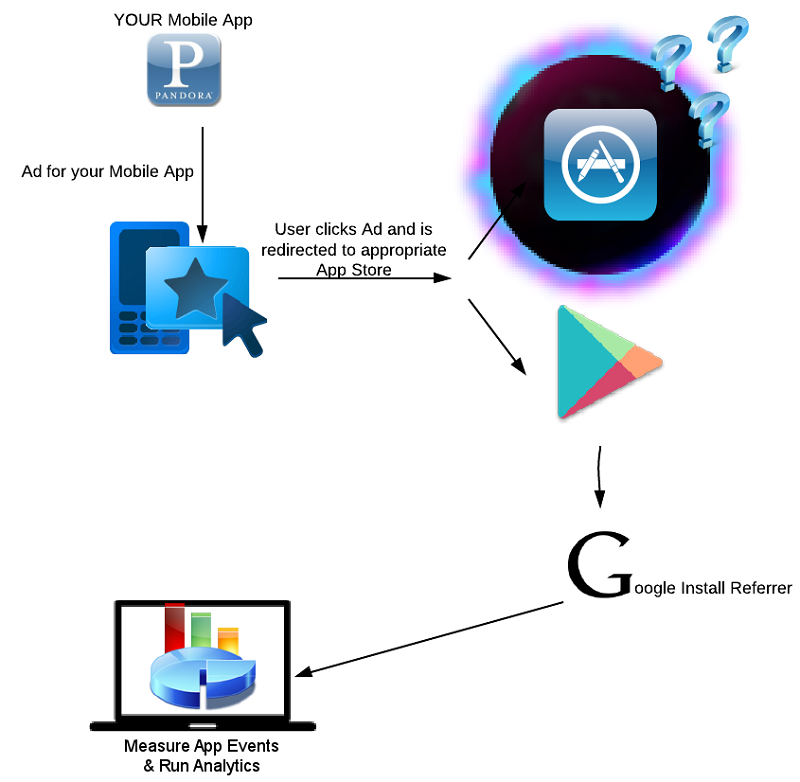
Universal Mobile App Attribution Methods
Unique Identifier Matching
Attribution Analytics performs unique identifier matching by matching the unique identifiers from the install to a click. Unique identifier matching is an automated and real-time method of comparing clicks to installs instead of manually performing the match at the end of a week or month using Excel spreadsheets. Attribution using unique identifiers enables 1:1 accuracy of matching clicks to installs (when identifiers are passed app-to-app).
Device Fingerprinting
Device fingerprinting pulls basic (and not always 100% unique) information (such as IP address) from mobile device headers to connect a user from ad-click to app install (or some other conversion). Device fingerprint matching works by redirecting users through a measurement URL and collecting the publicly available HTTP headers about the device. Attribution Analytics uses this information to create a unique fingerprint about the device (whose user clicked a measurement URL). When a user installs the mobile app, the Attribution Analytics SDK collects the same data points from within the mobile app and sends it to the Attribution Analytics platform, which searches for clicks with the matching fingerprint of the install. Attribution Analytics attributes the install to the device that had the last click with a matching fingerprint. While you use identifier matching for app-to-app attribution, you use device fingerprint matching for web-to-app attribution because the publishing app in app-to-app scenarios cannot actually pass device identifiers.
Unified Attribution Solution
As the mobile space continues to evolve, mobile app developers and advertisers are looking to implement analytic technologies that can support several attribution methods (to ensure that all sources of your paid media and advertisements are accurately measured and attributed). Using a single technology that provides this multi-faceted approach is key to making your marketing spend as effective and efficient as possible. Attribution Analytics combines these different attribution methods into a single unified solution that not only seamlessly attributes app-to-app installs, but also mobile web-to-app installs.
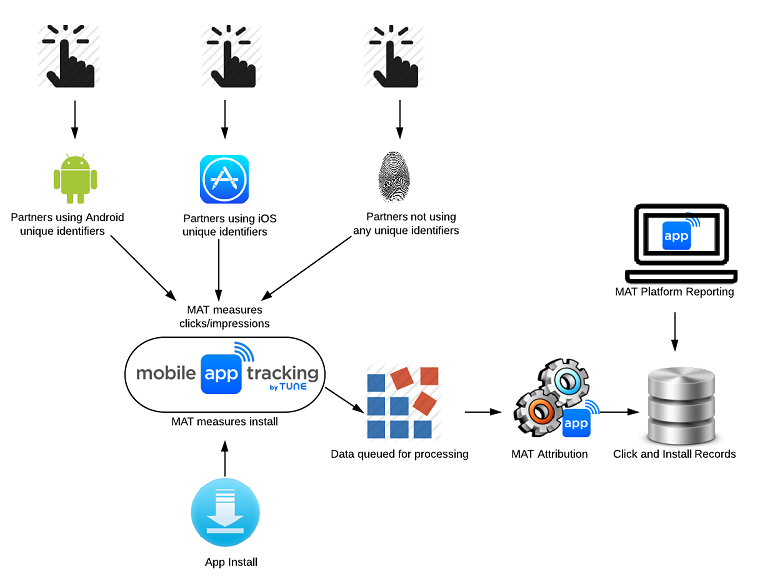
As mobile ad spends grow in the immediate future, a robust attribution model is imperative for marketers to understand ‘what works’. Accurate data driven attribution that leads to optimizing campaigns and enhancing the buyers’ journey is the key to demand creation.
We would love to hear your thoughts. Use the comments box and let us know your thoughts on mobile marketing and attribution.
-
Bing Ads Launches Keyword Planner Tool In All US Accounts
Do you need help finding relevant keywords to drive traffic to your page and lift your campaign’s performance? Or maybe you’re simply researching and expanding your keyword list. In either case, your life just got easier. Bing Ads announced on Tuesday the launch of Keyword Planner in the Tools section of the Web UI in US accounts.
The Bing Ads Keyword Planner provides keyword and ad group suggestions. It shows average monthly search volume trends, relative competition and suggested bids. The update addresses the data limitations of the former Bing Ads keyword tools, bringing the Bing Ad Campaign UI in line with Google AdWords.
Accessing Keyword Planner is very easy. Sign in to your Bing Ads account at http://bingads.microsoft.com, click Tools on the header and then select “Keyword Planner.”
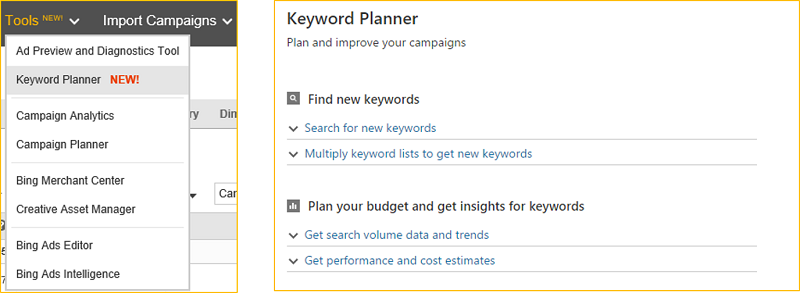
New features in the Keyword Planner
The new features in the keyword planner will help with creative ideation, targeting and filtering, finding the profitable bid and budget, and much more.
Keyword and Ad Group suggestions
By analysing such historical statistics as search volume trends and marketplace competition intensity, marketers gain the insights they need to select the best keywords to use for a campaign. This analysis helps marketers find those long-tail keywords that don’t have much search volume, but are likely to drive conversions.
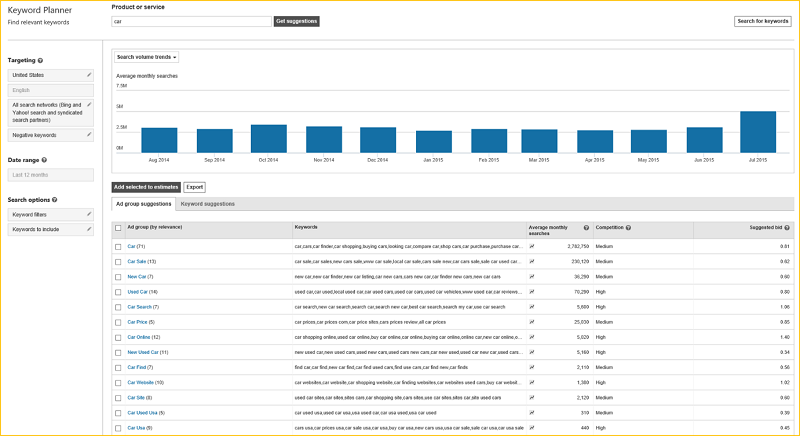
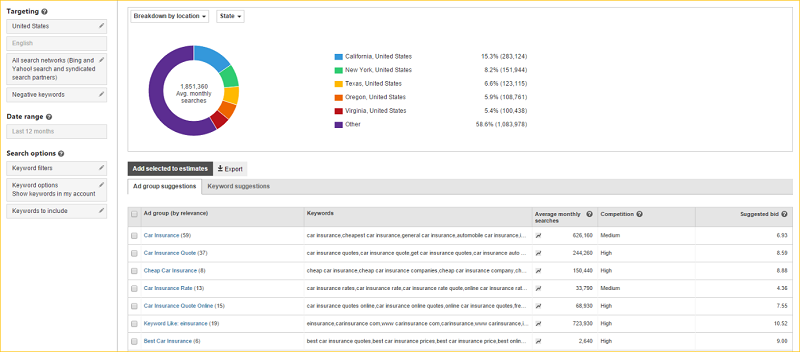
Marketers can refine keyword suggestions by location and network targeting. They can filter by historical statistics and by keywords to include or exclude. They can also see search volume breakdown by device or location, in specific locations, or drilled-down to state, DMA or city level. The visual graph helps marketers understand the expected contribution from individual devices or locations.
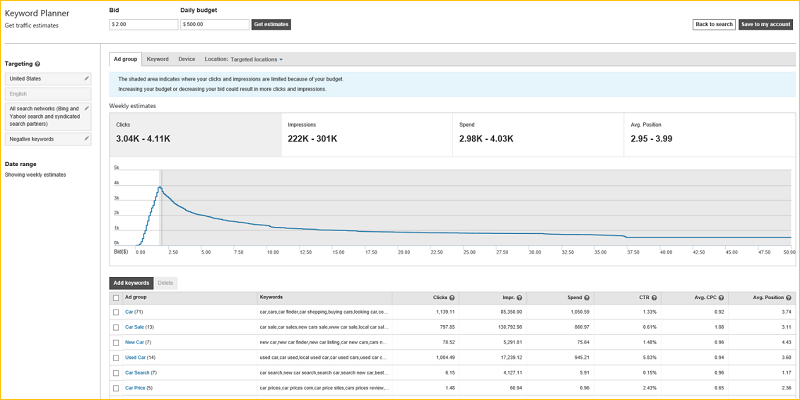
Bid and Budget Optimization
Marketers get an idea of how the keywords and ad groups might perform if added into an account by examining the bid amount and daily budget for performance and cost estimations that include impressions, clicks, spend, CTR, avg. CPC and avg. positions.
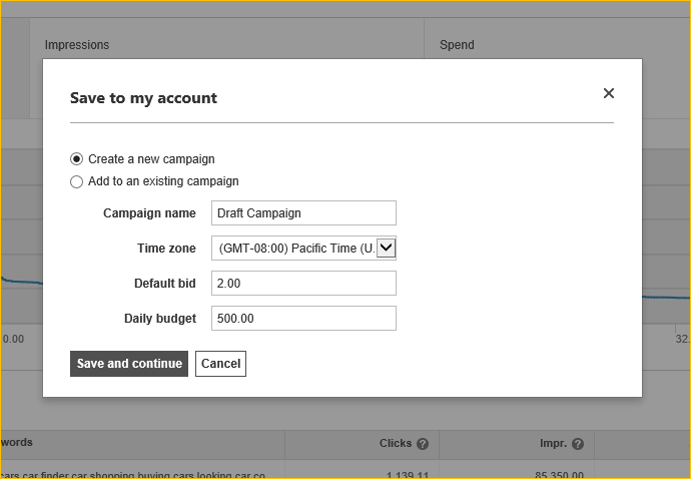
Create a new campaign or add to an existing campaign
If satisfied with the keyword research results, marketers can add the keywords and ad groups to an account by creating a new campaign or adding to an existing campaign. All that’s left to do is create the ad copy.
Bing Ads piloted the Keyword Planner in March and July. It began rolling out to some accounts in August, and it’s now available to all US advertisers. The Keyword Planner replaces the “Research Keywords” tool in US accounts.
If you’re not seeing it in your accounts yet, you can get started here.
Source: Search Engine Land | Bing Ads
-
How to Recover from Google Phantom 2
Google released the Phantom 2 update in early May, 2015. It took several weeks to complete implementation, and now it’s a fact of life. Phantom 2 assesses content quality on a website. There may be more than 200 ranking signals to the Google algorithm, but Content Quality is number one. What Google believes is simple: by delivering quality results to search terms, more users will engage, and that leads to more business for Google.
Google maintains its dominance among search engines by concentrating on user engagement. The key to that is serving viable results for search queries. And that means websites with exceptional content quality on their targeted domains.
Impact of Phantom 2 Update
Phantom 2 is a content-quality filter plugged into Google’s algorithm that impacts at the page-level. It only affects low quality pages, not the entire domain.
Recovery from the Phantom 2 Update
Address these parameters to mitigate the impact of Phantom 2:
- Quality Content: Avoid pages with thin, low quality and duplicate content. Generate content that is easy to interpret, that showcases services or products as a solution to customer pain points, and that uses relevant images to drive user engagement. Creating content that’s in line with user intent is the key to leveraging Google’s updates. To understand user intent talk to the sales team about customer pain points, study keyword searches from Google Webmasters, and use keyword suggestions from Google search
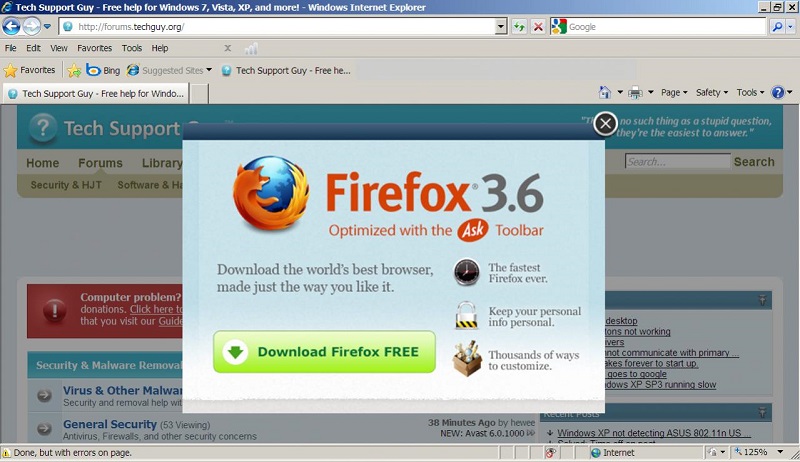
- Pop Up Advertisements: Banish said advertising from your site. Nothing irritates a user more than pop up advertisements. They negatively impact user engagement, result in high bounce rates, and ultimately affect your rankings.
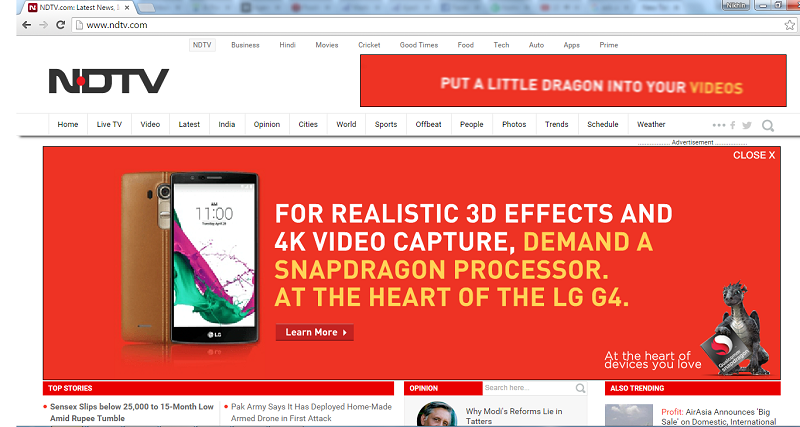
- Ads Above the Fold: Avoid too many ads above the fold as well as drop down ads that hide content for few seconds.
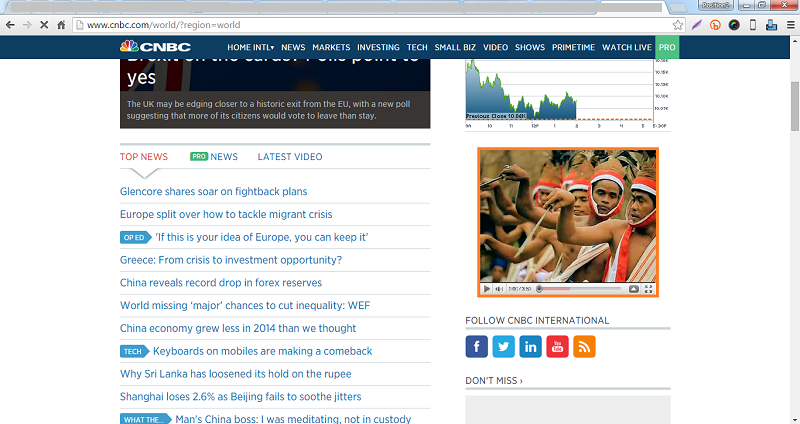
- Self-Starting Videos: Most users find self-starting videos kind of creepy. They are a dandy way to encourage bad user engagement levels and high bounce rates. Users won’t necessarily know how to stop a video so they will simply close the tab and open the next search result. It matters not how good your content may be. In the least, add a pause button.
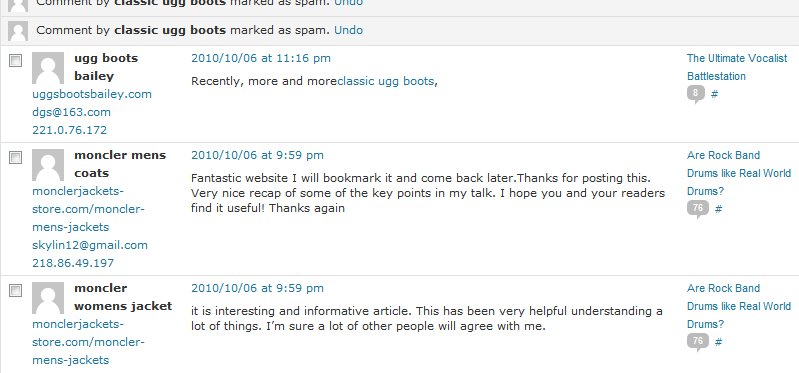
- Comment Spamming: Always monitor comments. Keep the comments that add value; eliminate the spam.
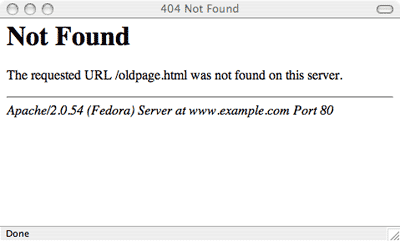
- External Links, Broken Links/404 Errors: External links should have “No Follow” around them and at regular intervals. Webmasters should audit for 404 errors or broken links because they negatively impact rankings. If any URL is changed or deleted, redirect properly (301 or permanent redirect).
The above factors will help you deliver great user experience at the center of which is engaging, quality content lighting up every user touch-point on the website. That, in a nutshell, is what Phantom 2 is all about.