Here at Position2 we have said it before and we’ll say it again: mobile is the preferred form factor for browsing the Internet. If you expect to engage with your target customers on their terms – when they want, where they want, on the device they use — mobile responsive sites are an absolute must-have, and ‘mobile first’ should be a core strategy.
We recently wrote about Google’s labeling mobile-friendly sites in the mobile search, a very handy feature. Now, working behind the scenes, the Mountain View search giant has taken it a step farther to give users a seamless mobile experience.
US smartphone penetration today is just shy of 77%. Over three quarters of the total US mobile subscribers now access the Internet while on the go. And that makes these users vulnerable to slow network areas and frustrating service. This has not been overlooked by Google engineers. Their solution, just introduced, is both simple and elegant.
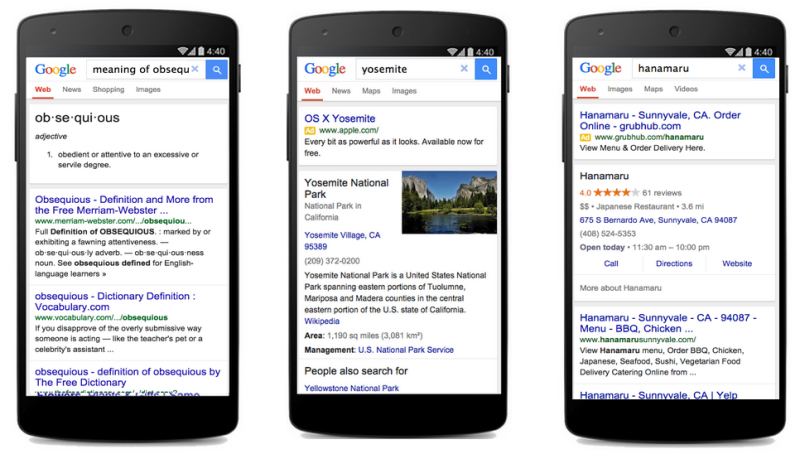
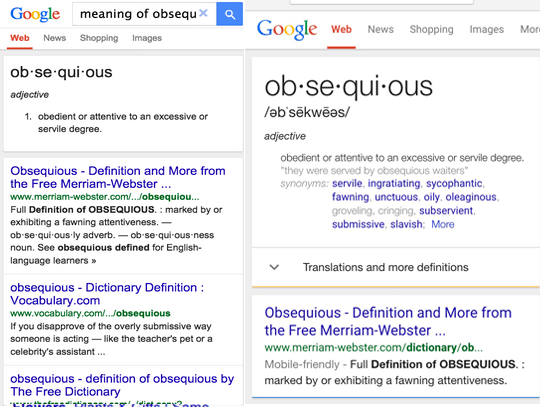
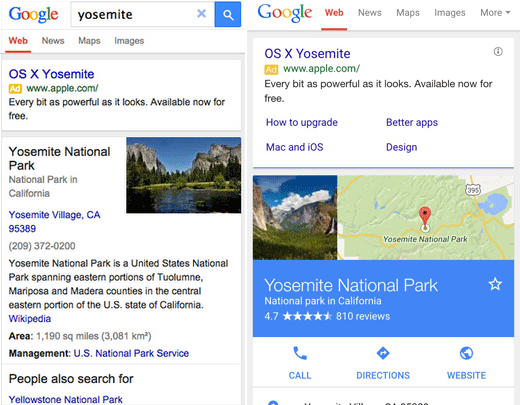
Google’s ‘Streamlined Lite Version‘ of its search has been specially tailored for mobile phones caught in a slower data lane. It will automatically detect the slower network and display a no-frills version of search results for a keyword, i.e. stripped of all the usual bells and whistles. And the best part? No one has to download or update anything. It just is.
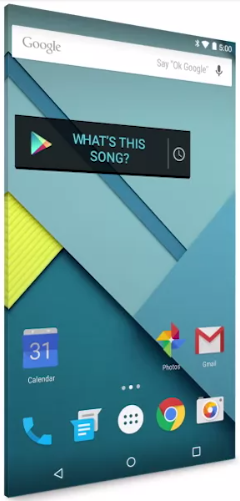
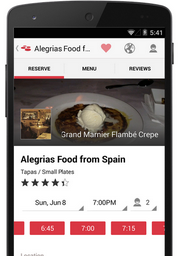
Here are two side by side images showing the slow interface on the left and the normal interface on the right:
For a company like Google with a near monopoly over Internet search, making search easier in challenging situations makes the company’s position even stronger. It’s called customer service.
Today’s traditional SEO is inadequate: Ignite your search results by accelerating visibility in more places than ever before.Download this White Paper and learn:
SEO, why the way we know it is not enough
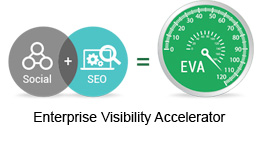
Introducing and implementing Enterprise Visibility Accelerator (EVA)
Using multi-channel tracking tools for effective monitoring
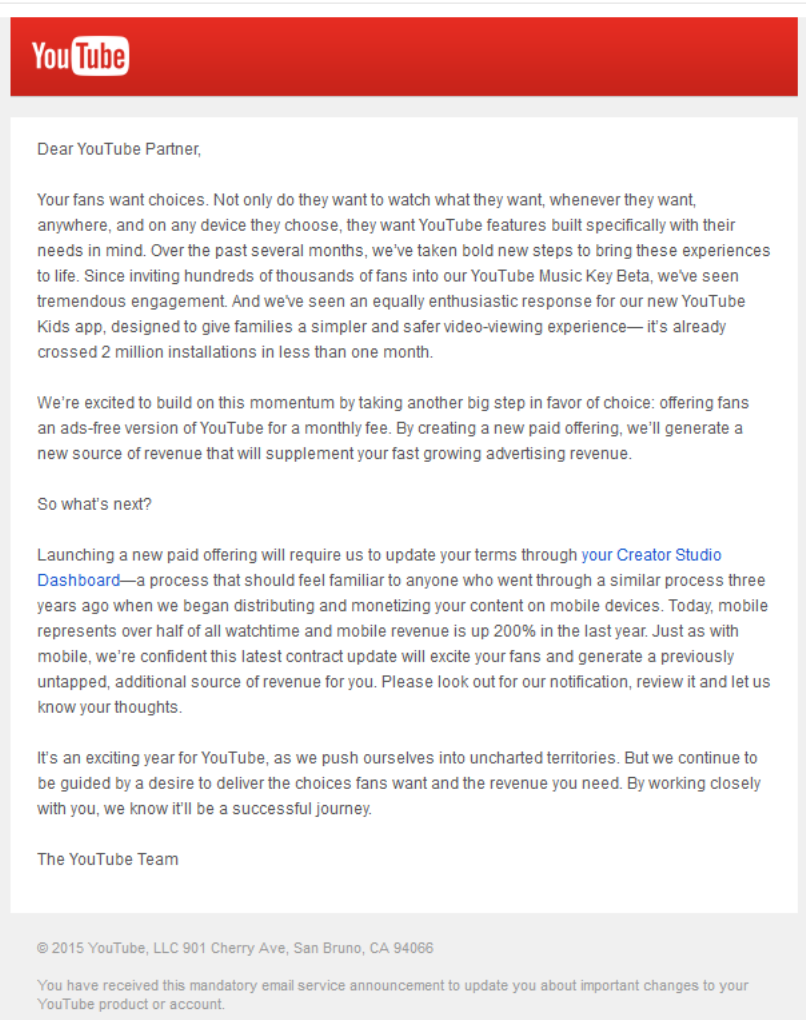
YouTube account holders and creators recently received an email that suggests we shall all soon be able to watch YouTube videos ad-free, for a price. It’s a subscription concept. For an estimated $10 per month you can shut the ads out and store and view your favorite YouTube videos offline. The changes are slated to come into effect beginning June 15, 2015.
YouTube star: Felix’s (top right) channel has received seven billion hits since he launched it four years ago – and youTube says people like him could make more money using the new subscription service
This is a big step for YouTube. The strategy reflects what users have long demanded of the service. A YouTube spokeswoman was not very forthcoming on this yet-to-be named subscription package, but did say, “while we can’t comment on ongoing discussions, giving fans more choice to enjoy the content they love and creators more opportunity to earn revenue are always amongst our top priorities.”
Creators can also put their videos behind a paywall making them available only to paid subscribers. While this subscription service may help big channels reap rich dividends, YouTube will still corner 45% of the accrued subscription fees.
The offering may also include other lower-priced subscription packages better suited to the needs of individual viewers. Specific categories like music, children’s programming, etc. are also being mulled over.
YouTube has explored this monetizing route before with its music service category, Music Key, that is available ad-free for as low as $7.99 per month.
For now all we can do is wait. Position² will keep you updated. Watch this space.
Today’s traditional SEO is inadequate: Ignite your search results by accelerating visibility in more places than ever before.Download this White Paper and learn:
SEO, why the way we know it is not enough
Introducing and implementing Enterprise Visibility Accelerator (EVA)
Using multi-channel tracking tools for effective monitoring
In case you still wonder about the relevancy of a mobile strategy, the search giant Google just announced two major changes to its search algorithm for ranking mobile sites. These factors will be rolled into mobile search results starting April 21, 2015.
Here’s what’s coming:
1. Mobile friendly sites to rank better on mobile search results
In a major algorithmic change impacting mobile search results across all languages, Google will now label mobile friendly sites and determine if websites should rank on top of search. The intent is to provide users with the best possible and most relevant search results. Google advises businesses to make their sites mobile-friendly.
2. Google indexed mobile apps get prominence on mobile search
App indexing enables apps to rank on Google web search results just like websites. This will apply to Android apps and will work for signed-in users using the app. Content from indexed apps and deep links will begin surfacing on search results.
The major implications of this update for businesses are, 1. have mobile-friendly sites in the first place, and 2. develop user-friendly apps – all of which helps businesses better align with the mobile audience.
Adopt Responsive Site design – a single URL to access the site across all devices only needs a single Googlebot user agent to crawl rather than multiple user agents
If you and your target customer aren’t occupying the same space when spend decisions are being made, how can you expect to do successful business? Global data suggests that shared space, more than ever before, can be found in the palm of your customer’s hand. We mentioned in a previous blog that today there are more mobile phones than toothbrushes. Click here and find out how digital advertisers have begun overhauling their core strategies to meet the challenge.
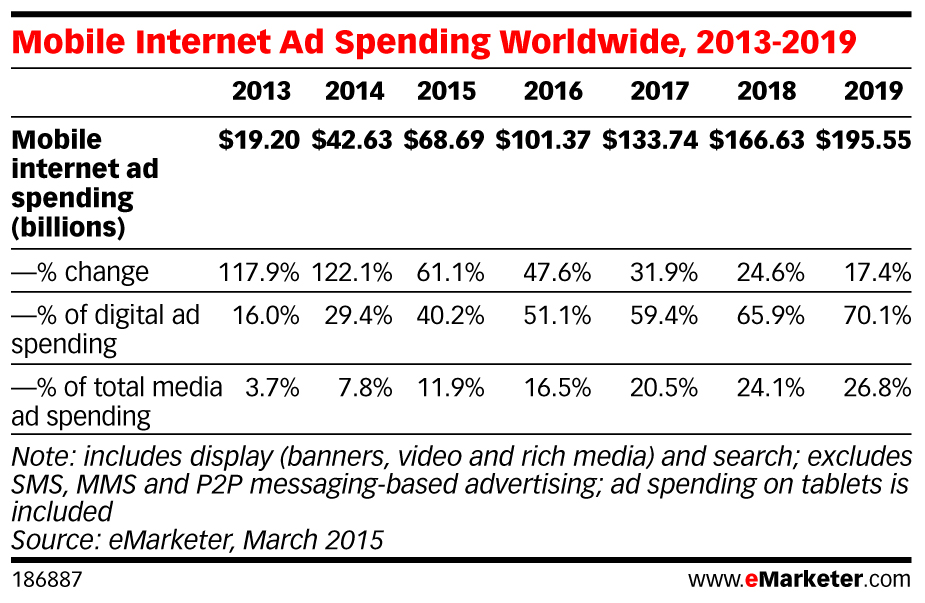
Worldwide mobile ad spending will cross the $100 billion line in 2016, and for the first time it will account for more than 50% of total digital ad spending.
We see this eruption of mobile advertising happening in the two largest digital advertising categories – Search and Display. Knowing how, when and why a target audience accesses the Internet is key to success. The strategy to solve that puzzle must be both holistic and device-agnostic.
You can expect to see global mobile ad spending reach a quarter of all media ad spending by 2019, four years hence.
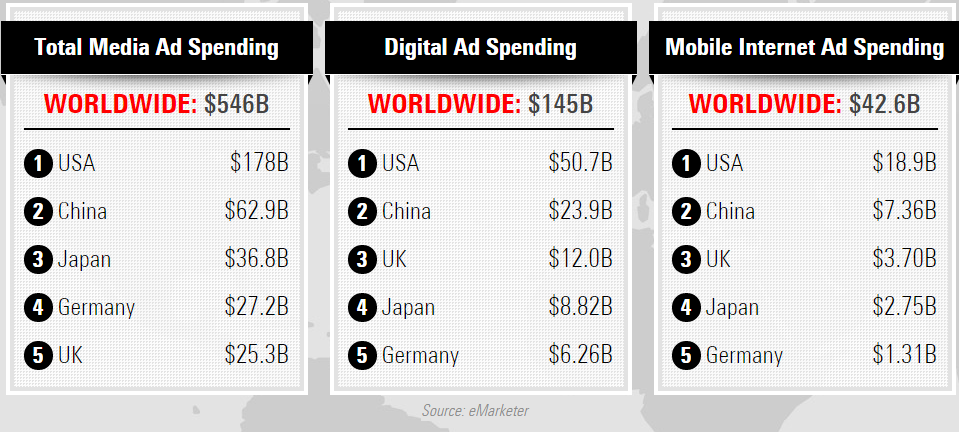
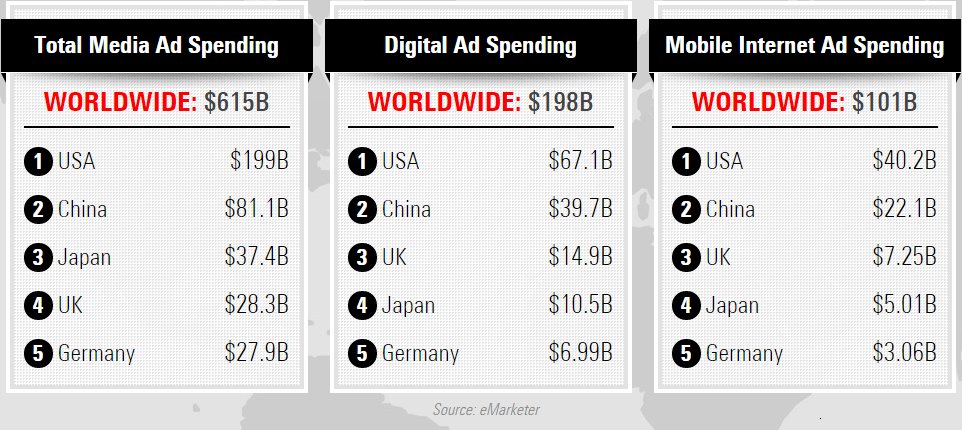
Here is a breakdown of total worldwide media ad spending. It demonstrates the speed with which mobile ad spending is catching up.
Ad spending in 2014
The same in 2016 (Projected)
The US and China account for almost 62% of worldwide mobile ad spends.
This table shows mobile ad dollars eating into traditional media ad dollars, and even digital ad dollars.
So all you advertisers out there: it’s time to devote a major chunk of your advertising budget to the mobile form factor. That’s where all the action is today and at least for the foreseeable future.
If you are like most of the movie going population, you choose the movie you see. That is, you probably watch a trailer shared by a friend on social media. If you like what you see, you might read a review, or check out a film review site like Rotten Tomatoes. When you actually choose to watch the movie the choice you make is informed.
So what about your last IT purchase? Does the same informed choice analogy apply? The supplier went to a lot of trouble and great expense to provide a white paper extolling the virtues of the product and the company. Did you read the whole thing at one go before deciding to buy the package?
Probably not. Who has time to read anymore, especially white papers?
If you read the white paper that lead to your buy-in it was probably preceded by googling some work-related material and coming across an info graphic or a video summary that made the white paper seem worthwhile. The equivalent of a good movie review.
If this experience sounds familiar, congratulations, you’ve successfully encountered the amazing process called Enterprise Visibility Accelerator (EVA).
So, what is EVA?
Your horde of white papers have terrific details about industry trends, the facts and figures, the company’s capabilities, all laid out in a way to make successful business happen. You could email a note to prospective buyers suggesting they give the document a look, but how many people would even notice? For your message to reach far and wide it needs to be more accessible than its white paper format, much more appealing to your target audience. You have your white paper on one side and the entire Internet on the other. The trick is pushing the two together for maximum impact, and then making it accessible and comfortable on the mobile phone platform.
Enter Enterprise Visibility Accelerator, or EVA. You might think of it as the lever in leverage. It is the process of breaking down a long and too often dreary corporate white paper into a succinct and easy to understand format, then sharing that on social media. If you make your white paper exciting in social media, you will reach the right people and they will in fact respond.
Here are the different ways you can leverage your content:
Video
At Position2, we use information visualization and story-telling techniques to produce white paper-based videos that act much like a ‘trailer’ for a feature film. The video focuses on the highlights of the technical white paper, or content from the white paper is summarized and told in a story format that grabs attention and creates awareness about the company and what it offers. It’s all about seeing is believing.
Infographic
Busy managers like their data served in bite-size chunks. So we pick valuable information buried in the white paper and put it in a graphical chart in eye-catching icons, text and numbers so the message gets communicated in a matter of seconds.
PPT
Well written and designed PPTs can be the graphical equivalent of story telling. We reduce the white paper to a single slide deck and post it on social media platforms like SlideShare, where the content is consumed and shared by the readers.
Each EVA asset is designed to provide enough data to pique the interest of your target audience. Every asset has the same CTA (Call to Action): ‘For more information, see the full white paper here’. Your target audience arrives at the white paper ready to read, or arrives at a landing page specially created for the white paper ready to learn more.
How can EVA broaden the reach of your content?
By its very nature EVA gets ‘shared’ on social media platforms like Facebook, Twitter, LinkedIn, Pinterest, SlideShare etc. There’s no telling how far you will be able to reach, particularly if your content reaches and interests the “influencers” in a big way.
You have produced an elaborate white paper or a technical document or an industry leading report. You know you have a great story, but the trick is connecting with your target customers in a way that convinces them it’s a worthwhile expenditure of time to read your report. This is where EVA comes in to help you win the game. Those white papers gathering dust in your archive? Handled properly, leveraged appropriately, that’s all gold.
Contact Position² to make your B2B brand go places with Enterprise Visibility Accelerator!
The recently concluded Facebook F8 Developer’s Conference had a little bit of everything: workshops, product demos, digital luminaries waxing eloquent on the main stage. Facebook’s product experts freely traded geek info with the technical community. The big shout out was all about Facebook’s determination to be a ‘mobile first’ platform for all its products.
Major Announcements and the Key Takeaways for Digital Marketers
Messenger as Platform
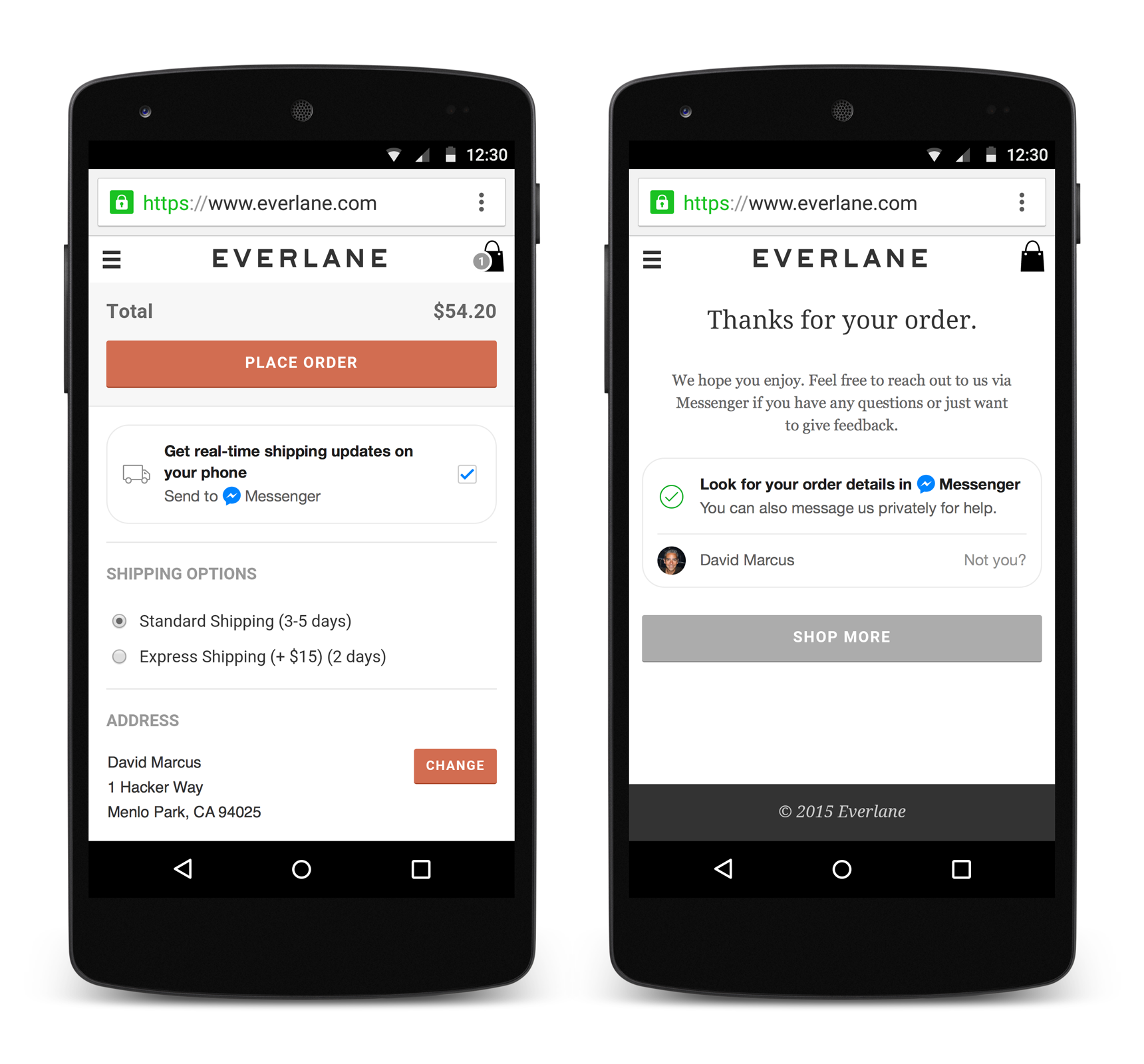
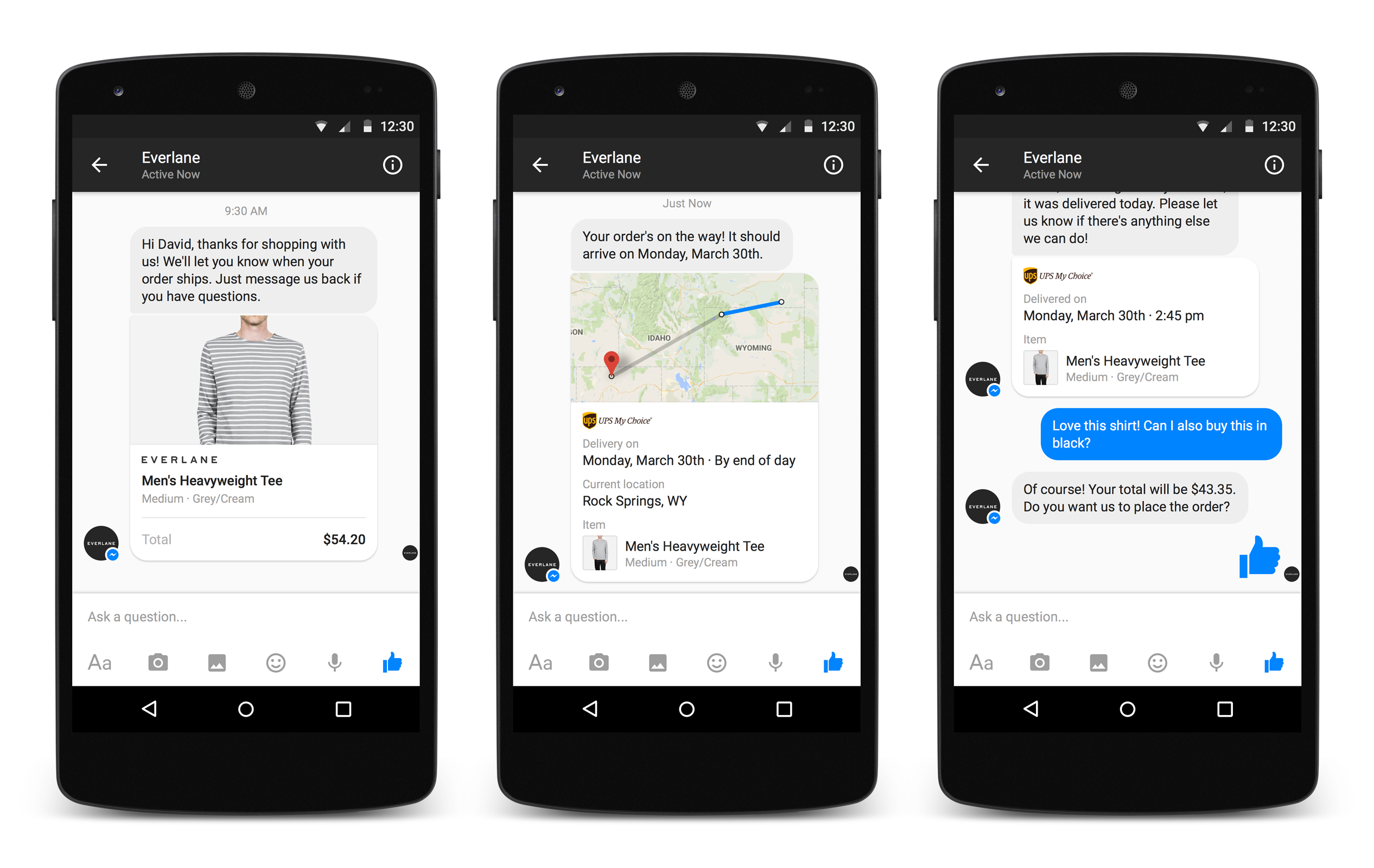
Integrating features from Messenger into other apps: Content created in-app with dynamic conversations in Messenger folds brands into the conversation
Users connect directly with businesses: With streamlined Messenger business users connect with brands, build relations and receive business value
Express yourself with 40 new apps plus audio, video, GIF and photo: The tight integration of the Messenger UX with on-the-fly creation and deployment of app-created content within a message stream
Embedded videos
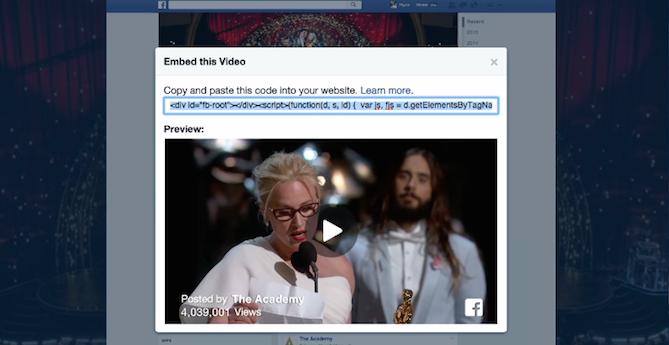
Now embed Facebook videos across the web: Content creators can now upload videos directly to Facebook
Mobile videos mark the way forward: Facebook users daily watch 3 billion videos, 65% on mobile devices.
Upping the visibility of Facebook videos going forward: Embedded videos watched in more places with greater ease enhances brand visibility
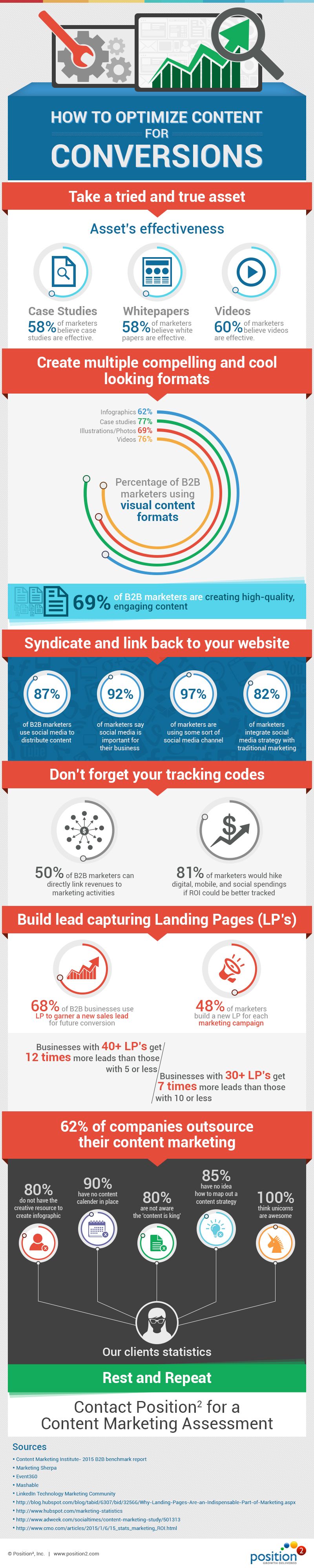
Content marketing powers your online visibility and conversions. It is essential that you have your digital content across multiple channels in multiple formats. Asset creation, optimization, distribution, reporting, and tweaking are the important steps in your content marketing endeavor. Learn more in this incisive infographic now.





 For now all we can do is wait. Position² will keep you updated. Watch this space.