Tag: Google Knowledge Graph
-
Position² @ SMX West, San Jose, March 2014
Position2 was at the SMX West event in San Jose last month represented by our Head of SEO, Rahul Banerjee.
We think SMX West lived up to its expectations this year, especially from a SEO point of view. A look into the future of SEO was most intriguing. SMX shed light on a few key future trends to watch for:
If you need additional information, feel free to reach out to us.
- Conversational Search: Advancement is seen both in complexity and nature because of changing user behavior. Now, there is increased emphasis on conversational and voice search. An example of this is the Hummingbird update which emphasizes semantic search methodology (for example, Google Auto Complete option) and Natural Language Understanding (NLU) by looking at the relevance and meaning behind the query.

Our content strategies are aligned with user experience and the optimization of search engines also powers better search results. For example, the use of blogs, forums, the Google authorship program, social media optimization etc. helps reach out to the target more with the natural language parameter of users.
- Knowledge Graph: It is a system that understands facts about people, places and objects and the interconnectivity between them.With the implementation of the Knowledge Graph, companies will now need to make more efforts to build their brand online. Google will include results about reputed brands of authority who are trusted. Online brand building efforts need to be an ongoing activity.
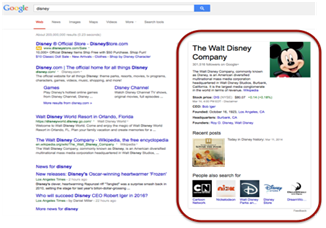
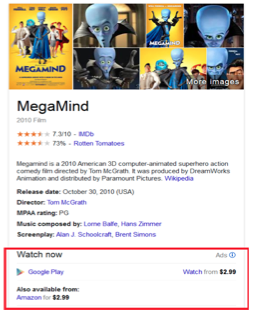
However, Google is also testing ads on the Knowledge Graph and carousel.
- Structure Data Markup: It helps Google understand the content architecture of a website better and facilitates faster and more relevant results.We recommend our clients implement structure data markup (eg. Schema.org) on their websites.
Here are some more key relevant points for organic SEO:
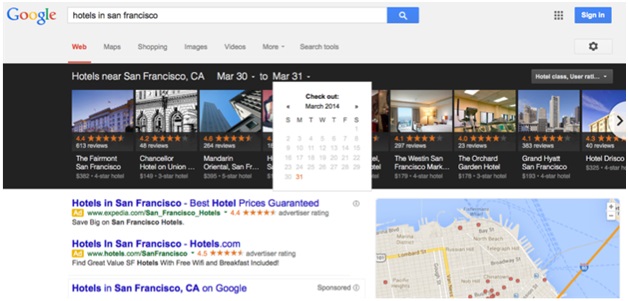
- High competition: With Google testing out paid ads on search results, organic search results have less shelf space and are needed to compete more to be visible. For example, if you type “Hotels in San Francisco” in Google, the top scroll of the Google SERP includes only paid ads pushing the organic results lower.
- Mobile will soon dominate: Google mobile queries are set to surpass PC search this year.

Image Source: Google
Mobile is another factor that is altering the nature of search. Mobile capabilities differ from device to device, which in turn impacts the content development, communication, engagement and measurement.
Implementing and embracing personalization will make for better search experience.
- Apps: There is a global opportunity to develop and market through apps. However, app stores must also be localized.
- Social presence: Google may not able to read social signals completely from other channels like Facebook and Twitter yet. But, this is going to change soon, which is why we maintain a social presence for our clients and help them build the right influencer network. Google has already said that users who use their Google logins will experience better search results. Google will roll out a full fledged algorithm soon.
- Natural link building: ‘The best links are not asked for’. Work on natural link building. Do not use shortcuts or indulge in explicit link sales. Let the target audience refer, like, comment and build links for you.
If you have original content that is useful for people, you can ask for recommendations/references. But your intentions will matter. Google is constantly penalizing websites with vested interest towards link building as an activity.
- Devalued content: Press releases, articles and guest blogging are now devalued content due to over optimization techniques used by most of the SEO experts. Content that offers value should be created for the target audience and not for search engines.
- Build recognition, reputation and trust through well-devised content marketing plans. Authority plays a vital role for Google to rank a website. Consumers also look for brand reputation and trust levels before making online purchase decisions.
- Google Panda updates: It is likely that Panda will be updated more frequently. Expect one soon. Google is constantly testing out search parameters to provide the best results to users.
- World does not stop at ‘Not Provided’: Post the ‘Not Provided’ update, Google changed the way it harvests data from search to protect users’ privacy. First, all logged-in users were switched to “https” from “http”, where the referral data relating to that search is hidden. But, as already indicated, that refers now to the whole universe.
Position2 recommends analyzing success with page-level metrics like page-level traffic, bounce rate, percentage of new visitors etc. to have an edge and understand user engagement metrics.
- Generic Top Level Domains (gTLDs): These do not impact rankings. For example, a domain like www.buymycar.com need not be ranked for car related keywords if it does not have content related to buying cars.
Share your thoughts on the event insights with us in the comments below.
More to follow from Position2
… keep in touch!